Avoid Damage to Drains During Construction Work

Avoid Damage to Drains During Construction Work
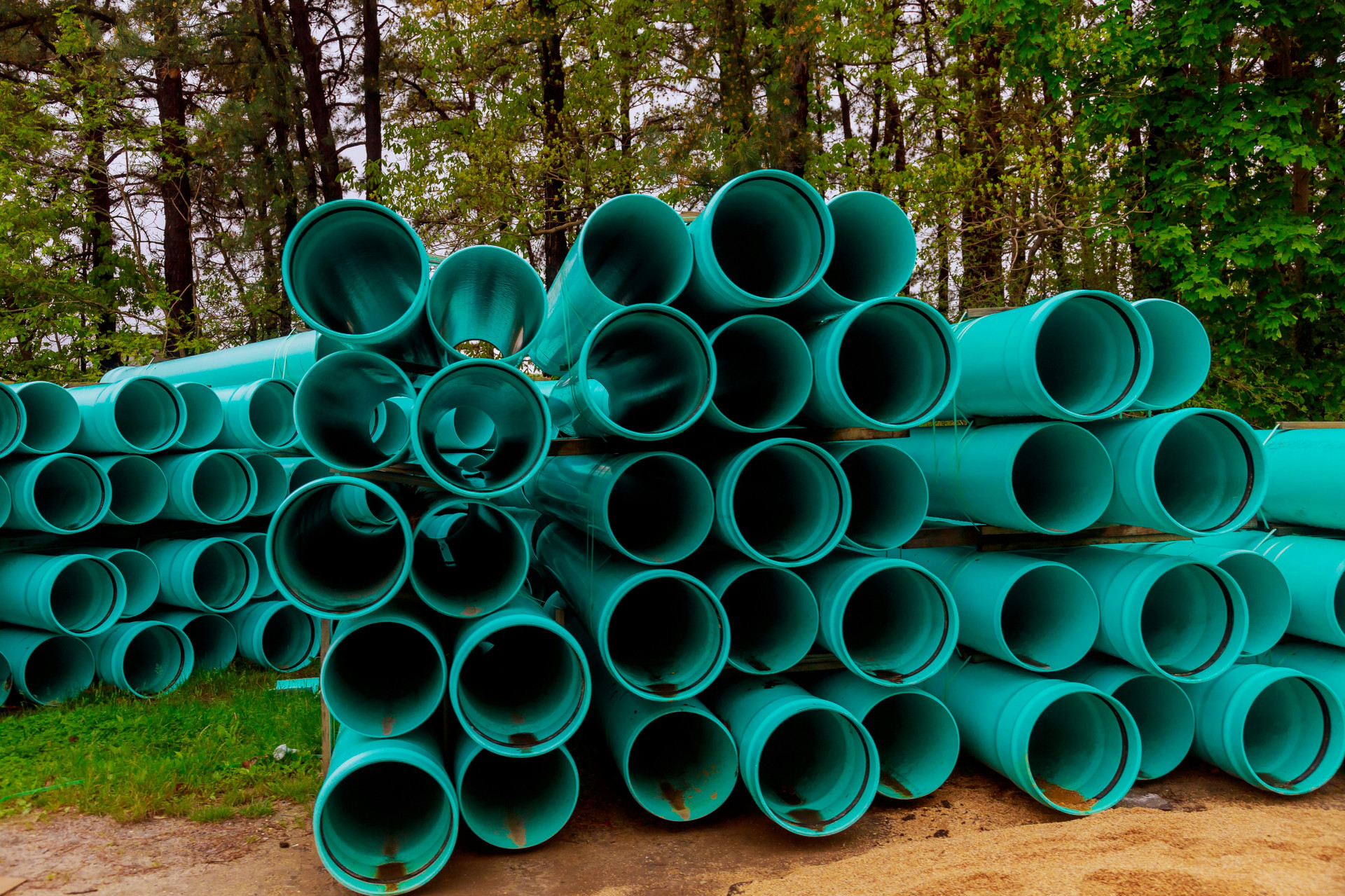
A properly functioning drainage system is essential for protecting your home’s foundation from moisture and water pressure. But during construction projects—whether you’re adding a new room, building a patio, or regrading your yard—drain pipes can easily be damaged. Even a small crack or blockage can lead to serious issues later, such as basement dampness, soil settlement, or mold growth. Here’s a guide to help you avoid damage to your drains during construction work.
Know Where Your Drains Are Located
The first step is to identify the exact location of your drainage system. Many homeowners don’t know where their drain lines run because they’re buried underground and often not well documented.
- Check building and site plans – these may be available from your local building department or with your home’s closing documents.
- Contact a licensed plumber or drain specialist – they can locate the pipes using cameras or electronic tracing equipment.
- Mark the drain lines clearly on the job site so contractors and equipment operators know where to be cautious.
Knowing the layout of your drainage system makes it much easier to plan your project and avoid digging or driving heavy machinery over the pipes.
Plan the Work Carefully
When planning any construction project, your drainage system should be part of the preparation. This is especially important if you’ll be excavating near the foundation or changing the grade around your home.
- Keep a safe distance from drain lines – avoid digging directly above or too close to them.
- Limit heavy loads – large equipment and stored materials can compact the soil and crush pipes.
- Maintain proper slope – if you change the landscape, make sure water still flows away from the house and toward the drain.
A good rule of thumb is that the drain should sit below the basement floor level and have a consistent slope toward the outlet. Even small changes in grade can reduce its effectiveness.
Protect Drains During Excavation
If you need to dig near the drain, take precautions. Work carefully and use hand tools when you get close to the pipes. Heavy machinery can easily crack or break a pipe without immediate signs of damage.
- Expose the drain gently and inspect its condition.
- Surround the pipes with protective material, such as sand or fine gravel, to prevent pressure or sharp stones from causing damage.
- Seal open pipe ends to keep soil or debris from entering during construction.
If you discover any damage, have it repaired right away—preferably by a licensed plumber who can ensure the system functions properly after the fix.
Watch for Changes in Drainage Patterns
Construction work can alter how rainwater flows around your property. A new driveway, patio, or addition can change the natural runoff and create problems for your drainage system.
- Ensure surface water flows away from the house, not toward it.
- Avoid connecting roof downspouts directly to the foundation drain, unless the system is designed to handle that volume.
- Consider alternatives like dry wells or rain gardens to manage excess stormwater.
Foundation drains are meant to handle groundwater, not large amounts of roof or surface runoff. Overloading them can lead to backups and water damage.
Inspect the Drains After Construction
Once the work is complete, it’s a good idea to check that your drainage system is still functioning properly. You can:
- Flush the drains to remove any dirt or construction debris.
- Schedule a camera inspection to confirm that the pipes are intact.
- Check cleanouts and outlets to make sure water flows freely.
A small investment in inspection can save you from costly repairs later if hidden damage or blockages are discovered.
A Healthy Drain System Is a Smart Investment
A well-maintained drainage system is a key part of protecting your home from moisture problems. By planning your construction work carefully, knowing where your drains are, and protecting them throughout the process, you can prevent many future issues. It’s not just about avoiding immediate damage—it’s about keeping your home dry, stable, and healthy for years to come.