Basement Wall Insulation – Why It Requires Specialized Insulation Solutions

Basement Wall Insulation – Why It Requires Specialized Insulation Solutions
The basement is one of the most challenging parts of a home to insulate properly. It’s where warm indoor air meets cold, damp earth, creating a unique environment that demands specialized materials and installation methods. A poorly executed insulation job can lead to moisture problems, mold growth, and structural damage, while a well-designed solution can transform a cold, musty basement into a comfortable and healthy living space. Here’s why basement walls require specialized insulation solutions—and how to approach the job the right way.
The Basement Environment – Constant Moisture and Temperature Challenges
Basement walls are in direct contact with the ground, which means they’re constantly exposed to soil moisture and temperature fluctuations. Groundwater and vapor pressure push moisture through the concrete, while warm indoor air tries to escape through the walls. This combination creates a high risk of condensation and trapped moisture—especially if the insulation system isn’t designed to handle it.
Unlike above-grade walls, basement walls can’t “breathe” in the same way. That’s why it’s essential to manage moisture carefully and ensure that any water vapor can move and dry out safely, rather than being trapped behind insulation layers.
Exterior Insulation – The Most Effective and Durable Option
When possible, insulating basement walls from the outside is the most effective and long-lasting approach. This method involves excavating around the foundation and applying insulation directly to the exterior wall surface. By moving the temperature difference into the insulation layer, the wall itself stays warmer and drier, significantly reducing the risk of condensation.
For exterior applications, extruded polystyrene (XPS) or rigid foam boards rated for below-grade use are commonly used. These materials resist moisture and can withstand soil pressure. A proper exterior system also includes a waterproofing membrane and foundation drainage to direct water away from the structure. While this approach is labor-intensive and costly, it provides the best protection and energy performance over time.
Interior Insulation – A Practical Alternative with Important Precautions
In many existing homes, exterior insulation isn’t feasible due to landscaping, property lines, or cost. In those cases, interior insulation can be a viable alternative—but it must be done with great care. If moisture from the soil enters the wall and becomes trapped behind interior insulation, it can lead to mold, rot, and deterioration of the foundation.
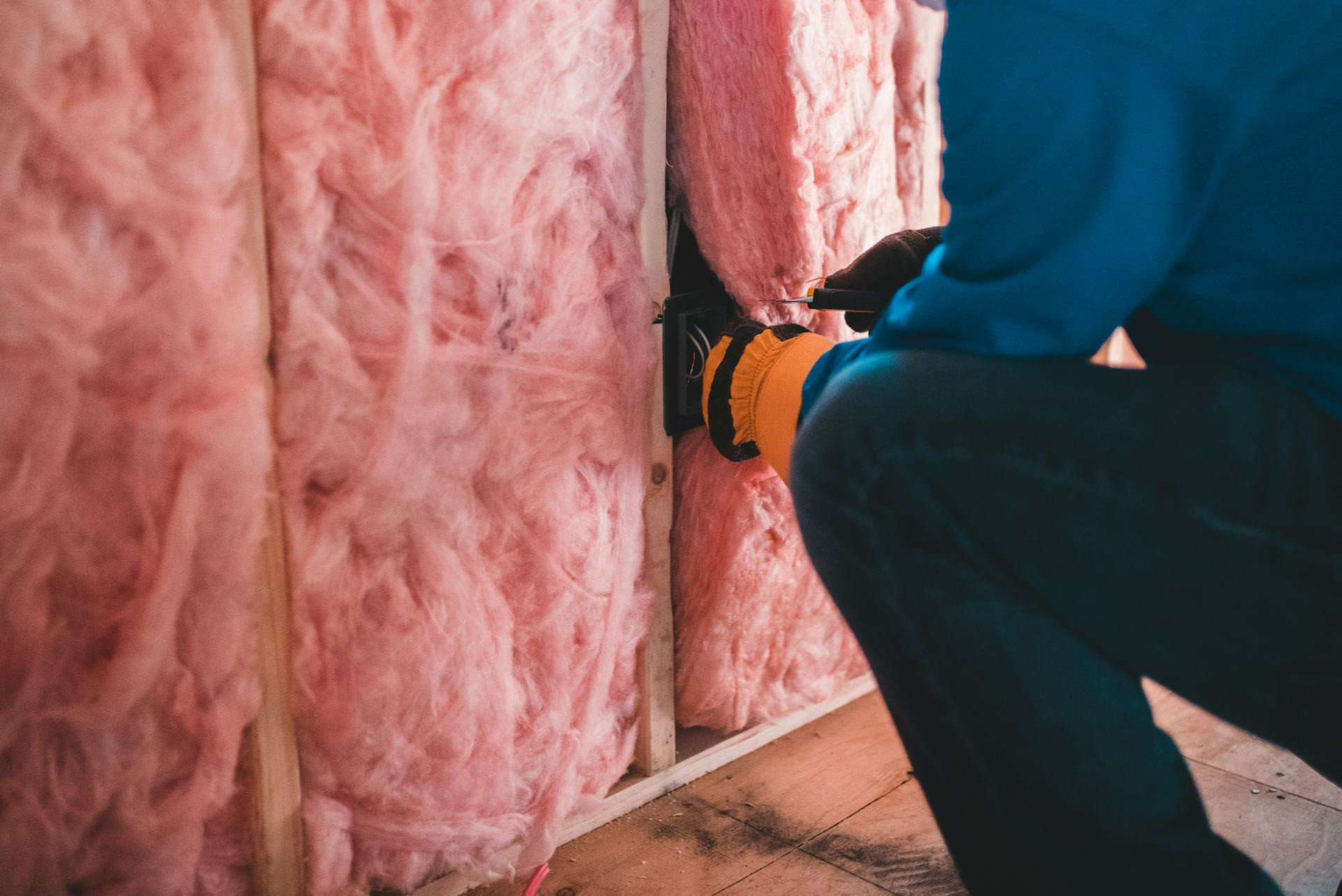
To minimize these risks, use vapor-permeable insulation materials that allow moisture to move and dry out. Examples include rigid mineral wool boards or closed-cell spray foam applied directly to the concrete. These materials resist moisture while maintaining some breathability. Avoid using traditional fiberglass batts or organic materials like wood or paper-faced drywall directly against concrete, as they can absorb moisture and promote mold growth.
Moisture Control and Ventilation – The Key to a Healthy Basement
Even the best insulation system won’t perform well without proper moisture management. Basements need good ventilation to keep humidity levels under control. Consider installing mechanical ventilation or a dehumidifier to maintain relative humidity below 60%.
It’s also wise to keep the basement slightly heated year-round—not necessarily to room temperature, but warm enough to prevent large temperature differences between the air and the walls. This helps reduce condensation and makes the space more comfortable.
Common Mistakes to Avoid
Many basement insulation problems stem from ignoring moisture dynamics. Here are some of the most frequent mistakes homeowners make:
- Installing a vapor barrier on the interior side – This can trap moisture inside the wall and cause mold.
- Using fiberglass batts or organic materials against concrete – These materials absorb moisture and deteriorate quickly.
- Skipping exterior drainage or waterproofing – Insulation alone can’t stop water intrusion.
- Sealing the basement too tightly – Without ventilation, humidity levels rise and create a breeding ground for mold.
By avoiding these pitfalls and choosing materials designed for below-grade conditions, you can ensure a durable and healthy basement environment.
Professional Guidance Pays Off
Basement wall insulation isn’t a simple DIY project. It requires an understanding of building science, moisture control, and proper installation techniques. Before starting, it’s wise to consult a building professional or energy auditor who can assess your basement’s condition and recommend the best solution for your specific home.
When done correctly, basement insulation can lower energy bills, improve indoor air quality, and add valuable living space to your home—but only if it’s designed and installed with the basement’s unique challenges in mind.