Combine Climate Adaptation and Sewer Prevention in Garden Planning

Combine Climate Adaptation and Sewer Prevention in Garden Planning
In recent years, many parts of the United States have experienced heavier downpours, flash floods, and longer dry spells. These changing weather patterns highlight how important our yards and gardens can be in managing stormwater. When the ground becomes saturated and storm drains overflow, water can back up into basements or flood streets. But with thoughtful garden planning, you can protect your property, support local ecosystems, and help your community adapt to a changing climate. Here’s how to combine beauty, function, and resilience in your outdoor space.
Plan for Rain from the Start
When designing or updating your garden, think about how rainwater moves across your property. Instead of sending all runoff straight into the storm sewer, you can slow it down, let it soak into the soil, or store it for later use.
- Rain gardens are shallow, planted depressions that collect runoff from roofs, driveways, or patios. The water slowly infiltrates the ground while native plants thrive in alternating wet and dry conditions.
- Permeable surfaces such as gravel, permeable pavers, or porous concrete allow water to seep through instead of running off.
- Rain barrels or cisterns capture roof runoff for watering plants during dry periods, saving both water and money.
By keeping more water on your property, you reduce the risk of flooding and ease the burden on municipal drainage systems.
Create Natural Water Pathways
A climate-smart garden doesn’t just capture water—it also directs it safely. Study the slope of your yard and use natural contours to guide water where you want it to go.
You can build swales—shallow, vegetated channels that move water from hard surfaces to rain gardens or low-lying areas. Swales can be lined with grass or native plants, blending seamlessly into your landscape design.
Always make sure water flows away from your home’s foundation. The ground should slope downward from the house, and there should be at least 8–12 inches between soil level and siding. This helps prevent moisture damage and basement leaks.
Green Solutions that Support Climate and Wildlife
Stormwater management can go hand in hand with creating a vibrant, biodiverse garden. Many water-smart features also provide habitat for pollinators, birds, and beneficial insects.
- Rain gardens can be planted with native species such as black-eyed Susan, swamp milkweed, or blue flag iris—plants that tolerate both wet and dry conditions.
- Green roofs on sheds or garages absorb rainfall, delay runoff, and provide food and shelter for bees and butterflies.
- Trees and shrubs help absorb water, reduce heat, and stabilize soil, making your yard more resilient to both floods and droughts.
Choosing native plants suited to your region means less maintenance, less watering, and a garden that can better withstand extreme weather.
Prevent Sewer Overload
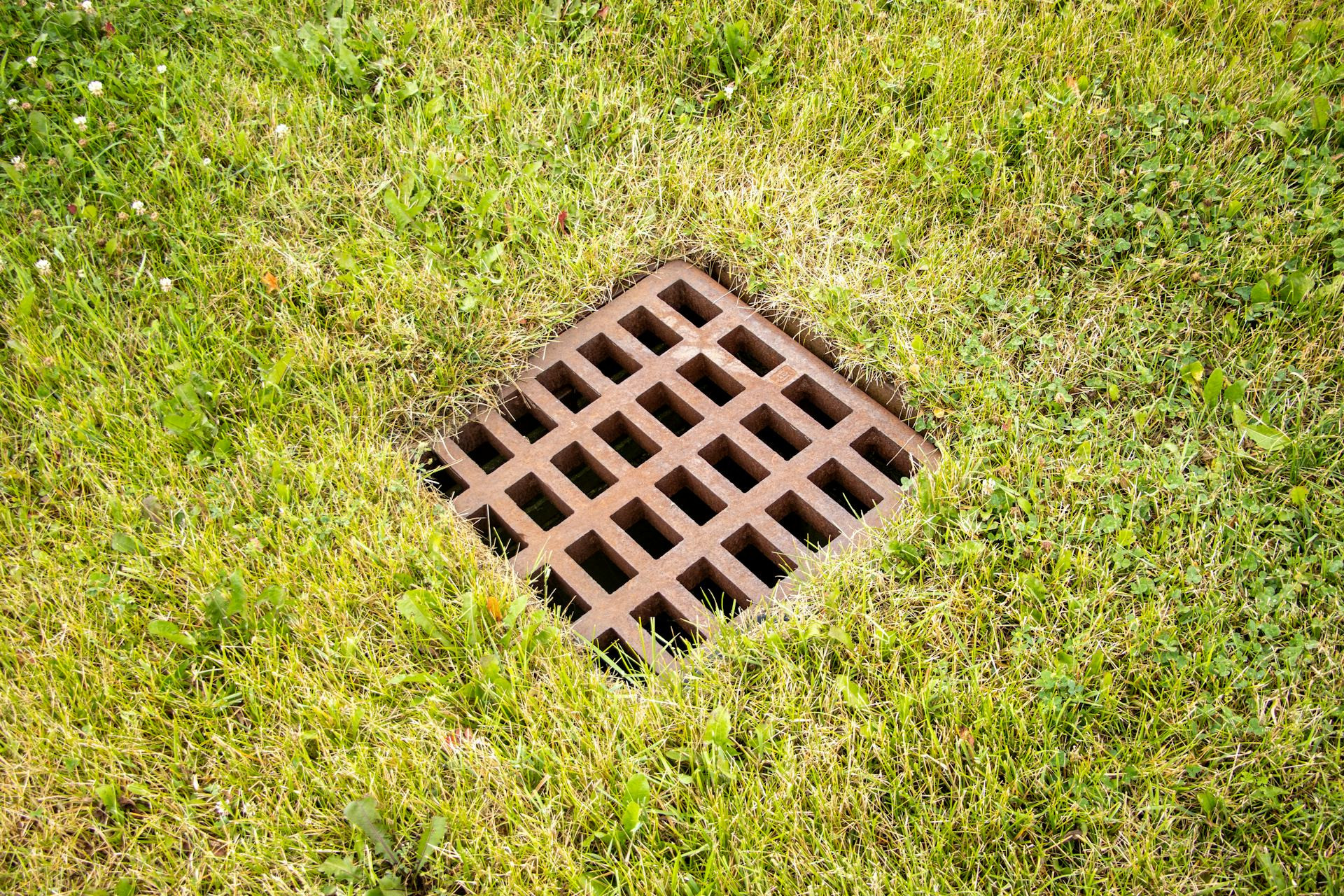
Managing rainwater on your property also helps prevent sewer backups and overflows—especially in older neighborhoods where stormwater and wastewater share the same pipes. During heavy rain, these systems can become overwhelmed, sending water back into basements or local waterways.
You can help by:
- Maintaining gutters and downspouts so water flows freely away from your home.
- Installing a backflow preventer in your basement if you live in an area prone to sewer backups.
- Disconnecting downspouts from the storm sewer (where local regulations allow) and redirecting them to a rain garden or infiltration area.
These steps protect your home and contribute to a more resilient community infrastructure.
Plan for the Future
Climate change means more intense rain events and unpredictable weather ahead. A garden designed with adaptation in mind is an investment in safety, sustainability, and long-term value.
Start small—a single rain garden, a rain barrel, or a new permeable walkway—and expand over time. The key is to think holistically: how can your garden be both beautiful and functional while helping your home and neighborhood handle future storms?
By combining climate adaptation and sewer prevention in your garden planning, you create not only a greener outdoor space but also a stronger, more resilient home ready for whatever the weather brings.