Combine Light Sources to Create Depth in Your Space


Combine Light Sources to Create Depth in Your Space
Light is more than a practical necessity—it’s one of the most powerful tools you have to shape the mood and perception of a room. By combining different types of light sources, you can create depth, balance, and atmosphere that highlight your space’s function while adding personality. Here’s how to layer and design lighting in your home so it feels both inviting and dynamic.
Understand the Three Layers of Lighting
A well-lit room typically includes three layers: ambient, task, and accent lighting. When these layers work together, they bring dimension and flexibility to your space.
- Ambient lighting provides general illumination so you can move around safely and comfortably. Think ceiling fixtures, recessed lights, or large pendants.
- Task lighting focuses on areas where you need extra brightness for specific activities—like cooking, reading, or working at a desk.
- Accent lighting adds character and draws attention to details such as artwork, plants, or textured walls. Table lamps, wall sconces, and picture lights are great examples.
When planning your lighting, consider how these layers can complement one another. A room lit by only one type of light can feel flat and uninspired.
Create Depth with Contrast and Shadow
Depth isn’t just about furniture placement—it’s also about how light interacts with surfaces. By playing with contrast between light and shadow, you can give your space a sense of dimension and movement.
Try using a wall sconce to cast a soft glow across a textured surface, or place a floor lamp that directs light upward into a corner. These subtle variations guide the eye around the room. Avoid lighting everything evenly; a bit of shadow adds intrigue and depth.
Use Color Temperature Intentionally
Light comes in different color temperatures, measured in kelvins (K). Warm light (around 2700–3000 K) creates a cozy, relaxed feel, while cooler light (4000 K and above) feels crisp and energizing.
In living rooms and bedrooms, warm light tends to be most comfortable. Kitchens, home offices, and bathrooms often benefit from neutral or cooler tones. Mixing color temperatures—such as warm accent lighting with neutral task lighting—can make a room feel balanced and adaptable throughout the day.
Highlight Architecture and Materials
Lighting can emphasize your home’s architectural features and materials. Have a beautiful brick wall, exposed beams, or a favorite piece of art? Use adjustable spotlights or directional sconces to draw attention to those details.
Indirect lighting, such as LED strips behind shelves or under cabinets, can create a floating effect that adds depth without overwhelming the space. It’s a subtle way to make your room feel layered and visually interesting.
Think in Zones and Flexibility
Most rooms serve multiple purposes. A living room might be a place to relax, read, or entertain guests. That’s why it’s helpful to think in zones, where lighting can be adjusted for different activities.
Use dimmable fixtures so you can shift from bright task lighting to soft ambient light with ease. Smart lighting systems—controlled by app or voice—make it even simpler to fine-tune brightness and color temperature to match your mood or time of day.
Don’t Forget Natural Light
While artificial lighting is essential, natural light should always be your starting point. Use mirrors, light-colored surfaces, and sheer curtains to maximize daylight. As evening falls, choose lamps that continue the natural feel of daylight, maintaining a sense of openness and comfort.
Make Lighting Part of Your Décor
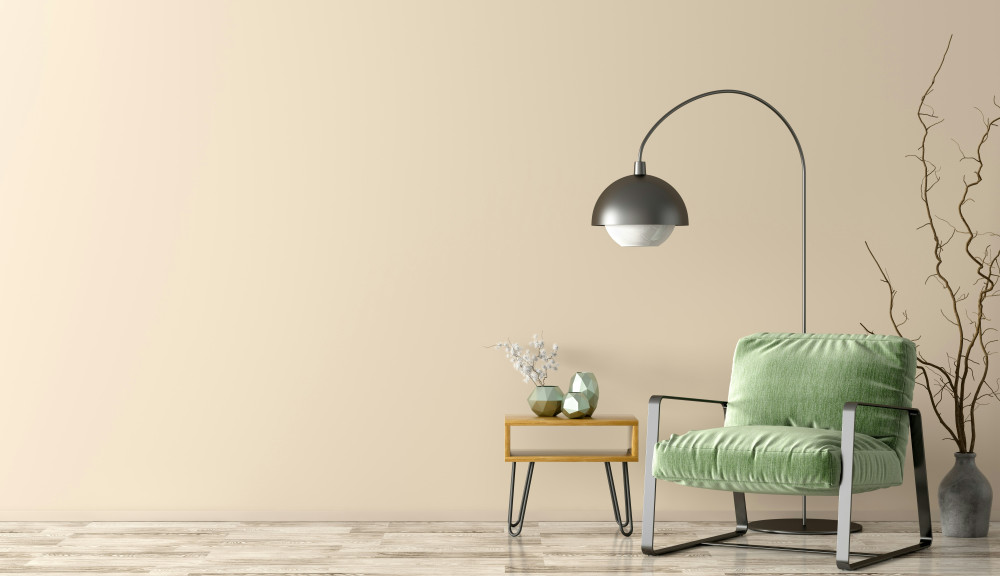
Light fixtures are not just functional—they’re design elements in their own right. A statement pendant over the dining table can serve as a visual anchor, while smaller lamps at varying heights can add rhythm and warmth. Choose fixtures that complement your home’s style, but don’t be afraid to mix materials and shapes for a more personal touch.
Design Your Own Light Landscape
Combining multiple light sources is about creating harmony between function and atmosphere. Think of lighting as a landscape you can shape—with highlights, soft transitions, and cozy pockets of illumination. That’s where the magic happens, and your home gains the depth and warmth that make it truly inviting.