Cooler Summers with Effective Ceiling and Roof Insulation

Cooler Summers with Effective Ceiling and Roof Insulation
When the summer sun beats down and temperatures soar, many homes—especially those with attics or upper floors—can quickly become uncomfortably hot. But did you know that good ceiling and roof insulation doesn’t just keep your home warm in winter? It also helps keep it cool in summer. Effective insulation acts as a barrier against both heat and cold, creating a more comfortable indoor climate all year long.
Why Insulation Matters for Summer Comfort
Most people associate insulation with saving on heating costs during the colder months. However, insulation’s main job is to regulate temperature differences between indoors and outdoors. When your roof is poorly insulated, the sun’s heat easily penetrates into your home, turning your attic into an oven. That often means running fans or air conditioning longer—costing you more in energy and money.
With proper insulation, heat transfer is significantly reduced. This keeps your attic and the rooms below cooler, even on the hottest days. As a result, you rely less on air conditioning, which is good for both your wallet and the environment.
How Insulation Keeps the Heat Out
Insulation works by slowing down the transfer of heat—both the heat that escapes in winter and the heat that enters in summer. Materials like fiberglass, cellulose, or spray foam have low thermal conductivity, meaning they effectively block heat flow.
When sunlight hits your roof, the surface heats up quickly. Without insulation, that heat radiates into your attic and then into the rest of your home. With a thick layer of insulation, the heat is trapped within the roof structure and doesn’t reach your living spaces as easily. The result is a more stable and comfortable indoor temperature.
Signs Your Attic Insulation May Need an Upgrade
Even if your home already has insulation, it might not be enough—or it may have deteriorated over time. Here are some signs that it’s time to consider an upgrade:
- Your attic gets extremely hot on sunny days.
- You notice large temperature differences between floors.
- Your summer energy bills are rising due to increased cooling use.
- The insulation looks old, uneven, or damp.
A home energy audit can help determine whether your current insulation meets modern standards and where improvements will have the biggest impact.
Choosing the Right Materials and Methods
There are several types of insulation materials, and the best choice depends on your home’s structure, your budget, and your environmental preferences.
- Fiberglass insulation is the most common option. It’s fire-resistant, durable, and effective.
- Cellulose insulation is an eco-friendly alternative made from recycled paper treated for fire and pest resistance.
- Spray foam insulation expands to fill gaps and hard-to-reach areas, creating an airtight and highly efficient barrier.
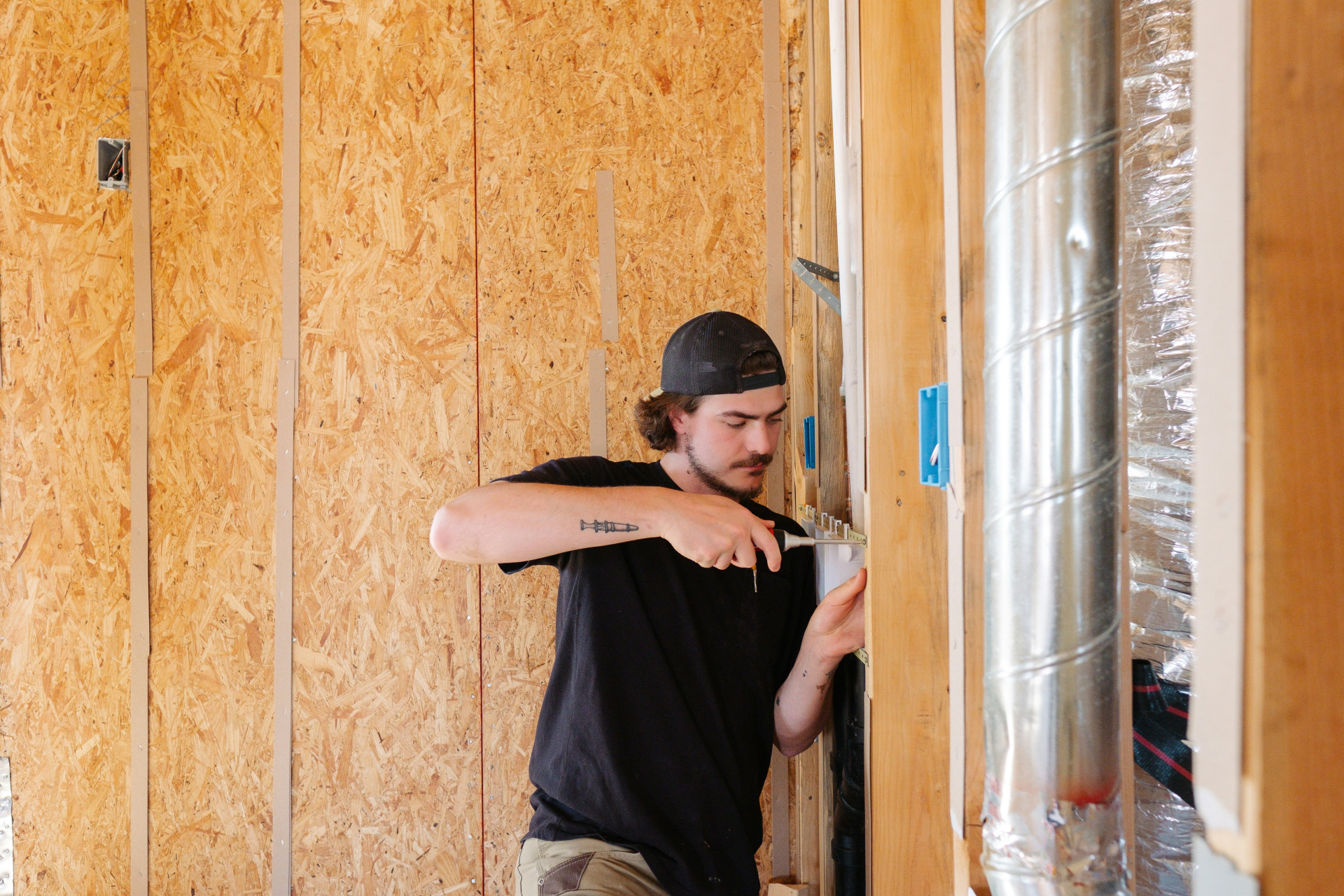
No matter which material you choose, proper installation is key. Attention to air sealing, ventilation, and moisture control ensures that your insulation performs at its best. A professional installer can make sure the job meets current building codes and delivers maximum efficiency.
The Importance of Ventilation
Even the best insulation needs proper ventilation to work effectively. Without it, heat and moisture can build up in the attic, leading to mold, structural damage, or reduced insulation performance. Combining new insulation with improved roof ventilation—such as ridge vents or attic fans—helps hot air escape and extends the life of your roof.
A Smart Investment That Pays Off
While upgrading insulation requires an initial investment, the payback period is often short. You’ll save on both heating and cooling costs, and your home’s value may increase thanks to improved energy efficiency. More importantly, you’ll enjoy a more comfortable living environment year-round.
For many homeowners, improving ceiling and roof insulation is one of the most cost-effective ways to make their home greener, more efficient, and more comfortable—without sacrificing comfort or style.
A Cooler Home and a Greener Planet
Effective ceiling and roof insulation benefits not only you but also the environment. Lower energy use means fewer carbon emissions, and using less electricity for cooling contributes to a more sustainable lifestyle. It’s a solution that makes a difference both inside your home and beyond.
So when summer rolls around, you can relax and enjoy it—without overheating indoors. With the right insulation, your home stays cool, comfortable, and energy-smart all season long.