Create Balance with Shadows and Reflections in Your Interior Design


Create Balance with Shadows and Reflections in Your Interior Design
Light is one of the most powerful tools in interior design—but we often focus only on how much of it we can bring into a space. In reality, it’s the interplay between light, shadow, and reflection that gives a room depth, atmosphere, and balance. When you learn to work intentionally with contrast, even the simplest space can feel dynamic and harmonious.
Light and Shadow – The Room’s Natural Rhythm
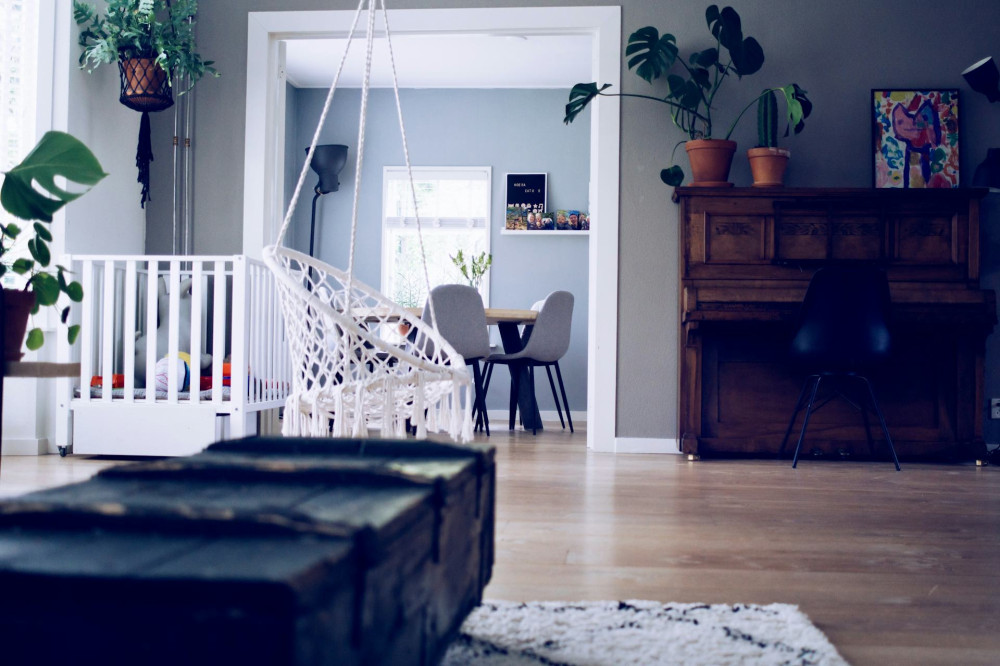
Shadows aren’t something to hide. They’re part of a room’s natural rhythm and can be used to create calm and variation. A space without shadows feels flat and sterile, while one with balanced contrasts feels more organic and inviting.
Take a moment to observe how light moves through your home during the day. Where does the morning sun fall? Which corners grow darker in the evening? By placing furniture, plants, and textiles strategically, you can highlight your home’s natural light and create pockets of shadow that add depth and character.
Reflections That Amplify the Mood
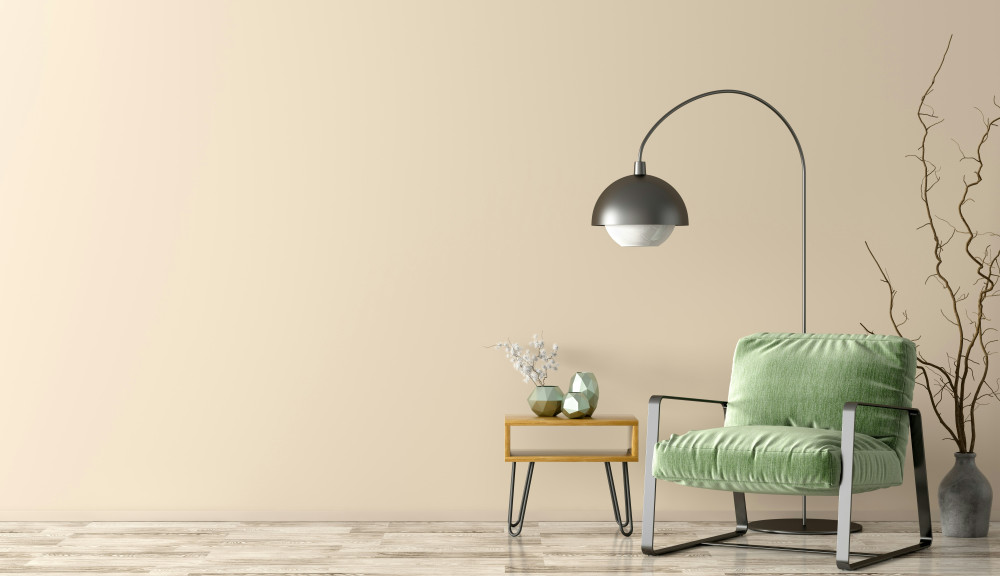
Reflections aren’t just about mirrors—though they’re a powerful tool. Glass, metal, ceramics, and glossy finishes can all help scatter and soften light. A mirror placed opposite a window can double the daylight in a room, while a lamp with a metallic shade can cast a warm, shimmering glow on the wall.
Balance is key, though. Too many reflective surfaces can create glare and visual noise. Combine shiny materials with matte textures like wood, wool, or plaster to give the eye a place to rest and create a more harmonious whole.
Shape the Space with Layered Lighting
Lighting is the key to controlling both shadows and reflections. Instead of relying on a single overhead fixture, layer multiple light sources at different heights and intensities. This allows you to shape the room according to your needs and mood.
- Task lighting – ideal for work areas like the kitchen counter or desk.
- Ambient lighting – softens transitions and highlights wall textures.
- Accent lighting – small lamps, candles, or string lights that add warmth and intimacy.
By combining these three types of light, you can create a space that’s both functional and emotionally engaging.
Materials That Play with Light
Your choice of materials greatly affects how light and shadow are perceived. Pale woods, linen, and painted walls reflect light softly, while darker stones, velvet, and metal absorb it and enhance the shadows. A well-balanced interior includes both.
Consider using natural materials that change character with the light. A raw oak table glows warmly in the evening sun, while a clay-plastered wall comes alive as shadows move across it. These subtle shifts are what make a room feel alive.
Mirrors as Space Makers
A mirror can do much more than show your reflection. It can open up a small room, double a view, or pull daylight into a dim corner. Try placing a mirror where it can capture a beautiful element—a plant, a window, or a piece of art—and reflect it back into the space.
Round mirrors create a softer look, while rectangular or elongated ones emphasize architectural lines. Choose frames and shapes that complement your style, and remember that a mirror can serve as a decorative statement in its own right.
Finding Calm Through Darkness
Many people associate dark colors with heaviness, but they can actually bring calm and balance. A dark wall or piece of furniture can ground a bright room and add visual weight. It’s all about embracing contrast—without darkness, there is no light.
If you’re hesitant, start small: paint a niche, choose dark curtains, or add deep-toned textiles. These touches add character without overwhelming the space.
A Sensory Balance
Working with shadows and reflections is ultimately about creating balance—between light and dark, energy and stillness. When you design with an awareness of how light moves and how materials respond to it, your home becomes more than just a collection of objects; it becomes a living, breathing environment.
It doesn’t take major renovations to achieve this. Often, it’s the small adjustments—a repositioned lamp, a well-placed mirror, a darker accent—that bring everything into harmony.