Keep Your Bathroom Drain Clear of Hair and Soap Scum

Keep Your Bathroom Drain Clear of Hair and Soap Scum
A slow or clogged bathroom drain is one of those small household problems that can quickly turn into a big headache. Water pools around your feet in the shower, unpleasant odors start to rise, and before long, you’re dealing with a full blockage. The good news is that with a few simple habits and some regular maintenance, you can keep your drain running smoothly and avoid costly plumbing bills. Here’s how to keep your bathroom drain in top shape.
Why Bathroom Drains Get Clogged
Most bathroom drain clogs are caused by a mix of hair, soap scum, and product residue. Every time you shower, loose hair and oils from soap, shampoo, and conditioner wash down the drain. Over time, they stick together and form a sticky buildup that narrows the pipe. Hard water can make the problem worse, as minerals bind to the residue and make it harder for water to flow freely.
Prevent Clogs with Simple Daily Habits
The best way to deal with a clog is to prevent it from forming in the first place. A few small changes to your routine can make a big difference:
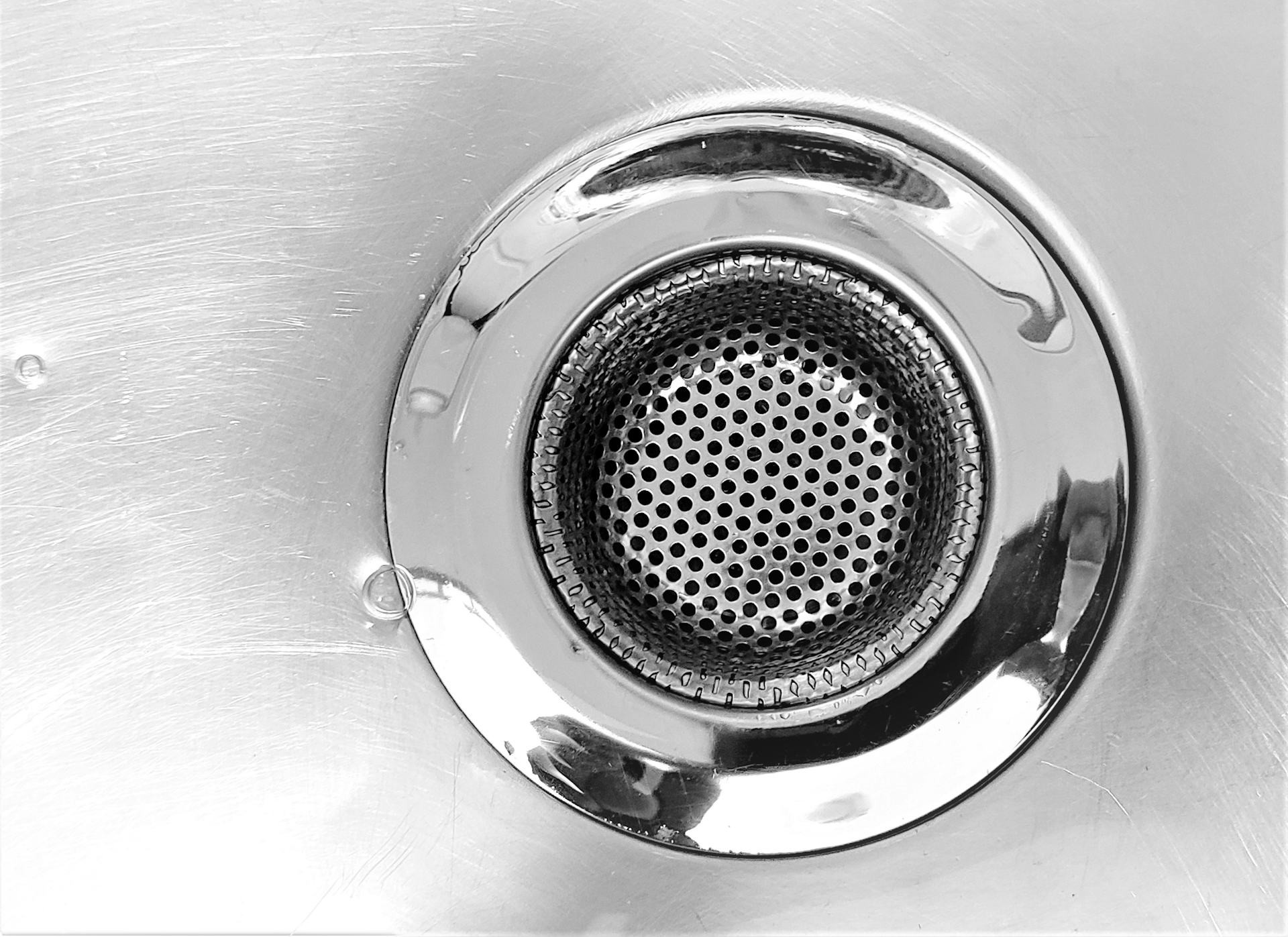
- Use a drain hair catcher. This inexpensive tool traps most hair before it goes down the drain. Empty it regularly—ideally after every shower.
- Rinse with hot water once a week. Pouring hot water down the drain helps dissolve soap and oil buildup before it hardens.
- Avoid pouring oils or greasy products down the drain. Body oils, lotions, and bath products can leave behind residue that sticks to pipes.
- Clean the drain cover regularly. Remove hair and debris, and wipe the area with a cloth to prevent mold and bacteria from growing.
How to Clean a Slow Drain Naturally
Even with good habits, buildup can still happen. Here’s a simple, eco-friendly way to clear a slow drain without harsh chemicals:
- Remove the drain cover and pull out any visible hair or debris using a gloved hand or a small hook.
- Pour a mixture of baking soda and vinegar down the drain (about half a cup of each). The fizzing action helps loosen grime and soap scum.
- Let it sit for 10–15 minutes, then flush with a kettle of boiling water.
- Repeat as needed if the water still drains slowly.
This method is gentle on your pipes and better for the environment than chemical drain cleaners, which can corrode plumbing over time.
When the Drain Is Already Clogged
If the water isn’t draining at all, try using a plunger. Fill the drain area with enough water to cover the rubber cup, then plunge several times to create suction. This often dislodges the blockage.
If that doesn’t work, use a drain snake (also called a plumber’s auger), available at most hardware stores. Insert it carefully into the drain and twist to pull out hair and buildup.
If you experience frequent or severe clogs, it may indicate a deeper issue in your plumbing system. In that case, it’s best to call a licensed plumber to inspect and professionally clean the pipes.
Preventing Odors from the Drain
Bad smells from the drain are another common issue. They’re usually caused by bacteria growing in the residue inside the pipes. To keep your bathroom smelling fresh:
- Flush the drain regularly with hot water and a bit of vinegar.
- Make sure there’s always some water in the P-trap (the curved pipe under the drain), which blocks sewer gases from escaping.
- Clean the P-trap a couple of times a year by removing and rinsing it thoroughly.
A Little Maintenance Goes a Long Way
Keeping your bathroom drain clear isn’t just about convenience—it also protects your home from water damage. A clogged drain can cause water to overflow and seep into grout or flooring. By spending just a few minutes each week on prevention and cleaning, you can save yourself time, money, and frustration.
A clean drain means a cleaner, healthier bathroom—and a smoother start to your day.