New Homes for Families with Children: Design for Well-Being and Functionality

New Homes for Families with Children: Design for Well-Being and Functionality
Building a new home as a family with children is an exciting opportunity—and a major decision that calls for thoughtful planning. A new build allows you to shape your family’s everyday environment from the ground up, but it also requires a clear understanding of how you actually live day to day. A functional, comfortable home is not just about square footage or finishes; it’s about well-being, flexibility, and connection. Here’s how to design a home that supports your family’s life—today and for years to come.
Think in Daily Routines, Not Just Rooms
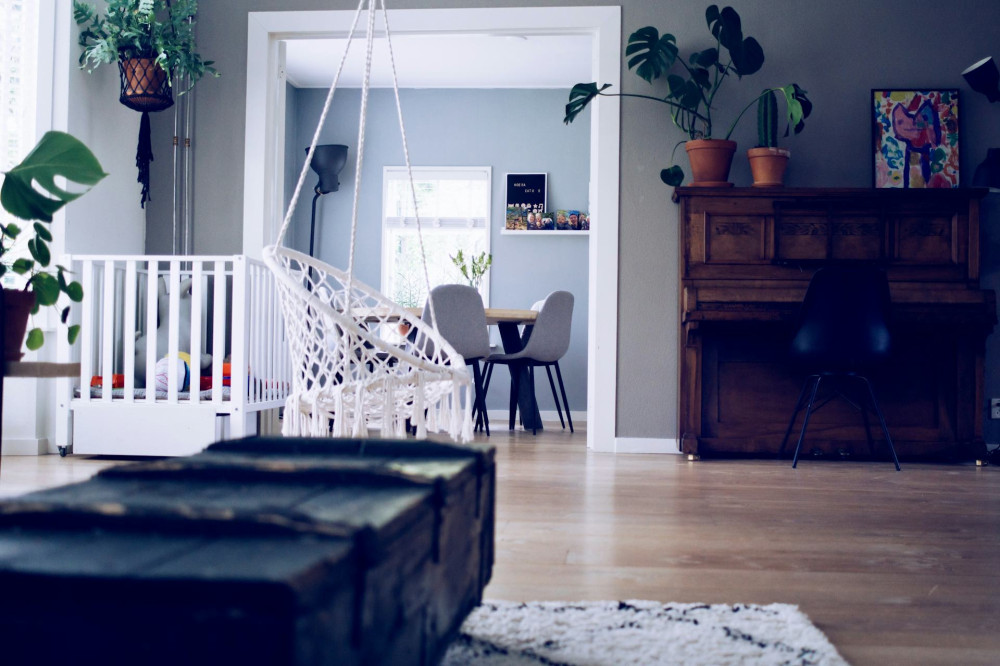
When planning a new home, it’s easy to get caught up in floor plans and design details. But the best starting point is your family’s daily rhythm. How do you move through the house from morning to night? Where do you gather, and where do you need quiet?
- Place the kitchen and living areas at the heart of the home, so they naturally become gathering spaces.
- Keep key areas connected—entryway, mudroom, and kitchen—so mornings and after-school routines run smoothly.
- Consider your children’s ages and needs—younger kids need proximity, while teens value privacy.
Try sketching a typical day on your floor plan: where do you go, and where do bottlenecks occur? This exercise helps you see how the house will function in real life.
Flexible Spaces for a Growing Family
Families change over time, and your home should be able to adapt. A room that’s a playroom today might become a study or guest room later. Flexibility is key to long-term functionality.
Consider features such as:
- Sliding or movable walls that can open or close spaces as needed.
- A multipurpose room for homework, crafts, or family projects.
- A well-organized mudroom with storage for shoes, sports gear, and coats—keeping clutter out of sight.
By planning ahead, you’ll avoid the feeling that your home has outgrown your family before you’re ready to move again.
Light, Air, and Acoustics: Everyday Well-Being
A healthy indoor environment is essential for family life. Large windows bring in natural light and energy, but they also require attention to heat and glare. Prioritize good ventilation and durable, easy-to-clean materials that can handle daily wear and tear.
Acoustics are often overlooked in modern open layouts. Use sound-absorbing materials—wood, textiles, acoustic panels—to reduce noise levels. A calmer sound environment makes a big difference in busy households with children.
Outdoor Spaces as an Extension of the Home
For families, the yard and patio are natural extensions of the living space. Plan outdoor areas that are usable year-round, not just in summer.
- A covered patio provides shade and shelter for outdoor meals in any weather.
- A flat lawn or play area encourages active play.
- A small garden or raised beds can become a shared family project.
Safety matters too: fencing, lighting, and clear sightlines from the kitchen or living room make it easier to keep an eye on children at play.
Energy Efficiency, Sustainability, and Budget
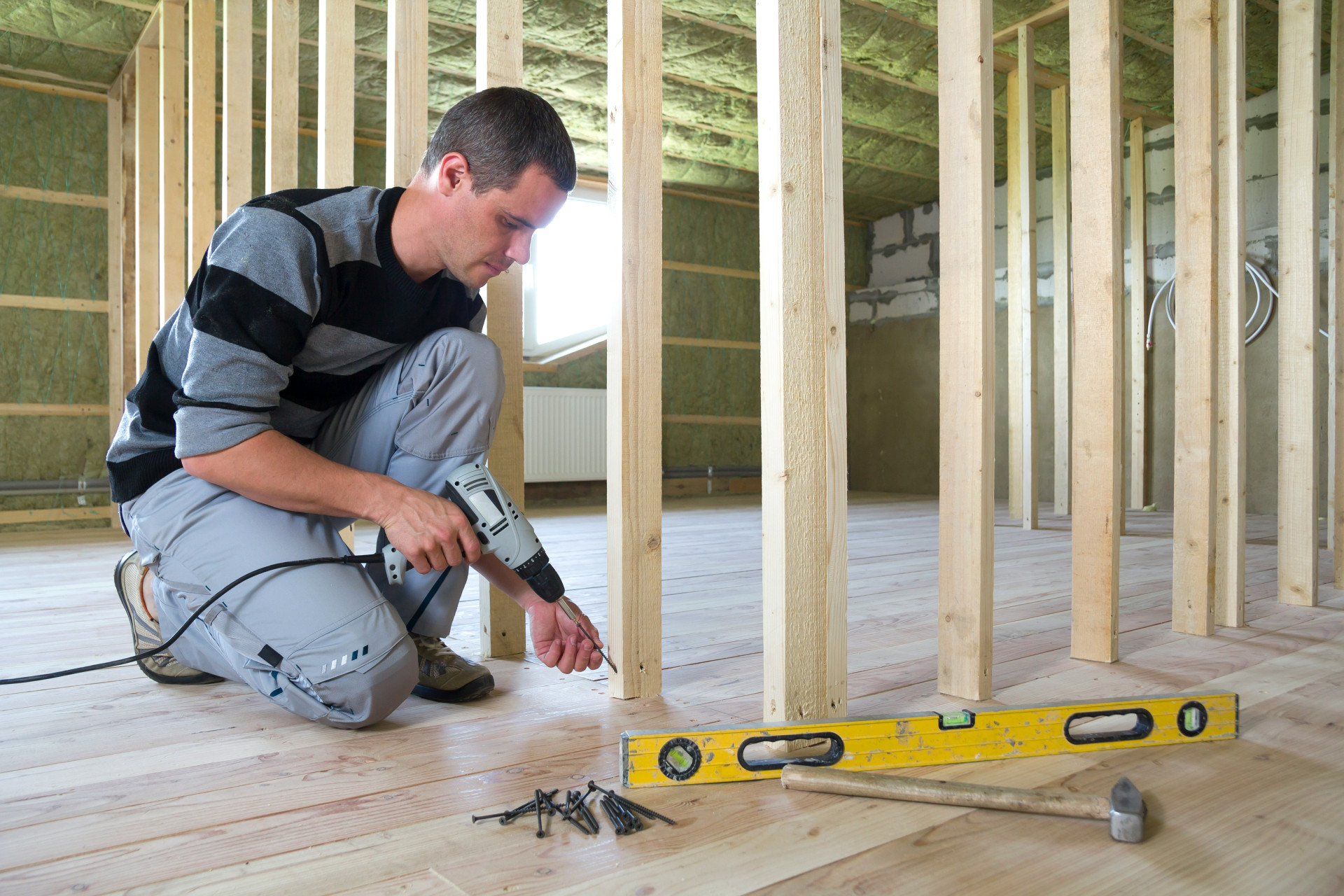
A new build is the perfect opportunity to think sustainably from the start. Energy-efficient solutions—solar panels, heat pumps, and high-quality insulation—reduce both your environmental footprint and long-term costs.
While green materials and technologies may seem like an extra expense, they often pay off over time through lower utility bills and a healthier home environment. Also consider future needs: electric vehicle charging, rainwater collection, and smart home systems can make daily life easier and more eco-friendly.
Create a Home That Grows With You
A successful new home isn’t about building the biggest or trendiest house—it’s about creating a space that supports your family’s life. When functionality, comfort, and design work together, you get a home that feels right, even as your children grow and your routines evolve.
Take the time to plan carefully, listen to your family’s needs, and seek advice from professionals who understand the dynamics of family living. It’s one of the best investments you can make in your family’s future.