Picture Frames in Transition – Materials and Technologies Shaping the Future of Interior Design

Picture Frames in Transition – Materials and Technologies Shaping the Future of Interior Design
For centuries, the picture frame has been a quiet yet powerful presence in American homes — a border that defines our memories, art, and identity. But as materials, technology, and design trends evolve, the humble frame is undergoing a transformation. It’s no longer just a strip of wood around a photograph; it’s becoming a design statement, a piece of smart technology, and a reflection of sustainable living.
From Classic Craftsmanship to Modern Materials
Traditionally, picture frames were made of wood — oak, walnut, or cherry — often carved or gilded to match the style of the artwork they surrounded. Today, the range of materials has expanded dramatically, offering new possibilities for both aesthetics and function.
- Aluminum and steel bring a sleek, industrial look that fits perfectly in contemporary interiors.
- Acrylic and plexiglass create a light, almost floating effect, keeping the focus on the image rather than the frame.
- Bamboo and reclaimed wood are gaining popularity as eco-friendly alternatives that combine natural beauty with environmental responsibility.
At the same time, there’s a renewed appreciation for craftsmanship. Independent makers and boutique frame shops across the U.S. are experimenting with textures, finishes, and colors, turning each frame into a unique piece of design. The result is a blend of tradition and innovation that gives the frame a new artistic identity.
Technology Comes to the Wall
Digitalization has reached the living room wall. In recent years, digital picture frames have evolved from simple slideshow devices into sophisticated design objects capable of displaying high-resolution art, photography, and even motion graphics.
The latest models connect to cloud services, update images automatically, and adjust brightness based on ambient light. Some can display NFTs or rotate artwork according to time of day or mood. For many homeowners, these frames offer a dynamic alternative to the traditional gallery wall — a way to merge technology and aesthetics without sacrificing warmth or personality.
Sustainability and Circular Design
As sustainability becomes a central value in American interior design, picture frame manufacturers are rethinking how frames are made, used, and reused. Many are turning to recyclable materials, low-VOC finishes, and modular designs that can be disassembled and repurposed.
Innovators are also exploring bio-based composites and 3D-printed frames, which can be produced locally and customized to individual preferences. This approach reduces waste and transportation emissions while opening up new creative possibilities — from organic shapes to intricate surface patterns that were once impossible to achieve.
The Frame as a Storytelling Element
Once a passive border, the frame is now an active part of interior storytelling. It can complement a room’s color palette, create contrast, or serve as a bold statement piece.
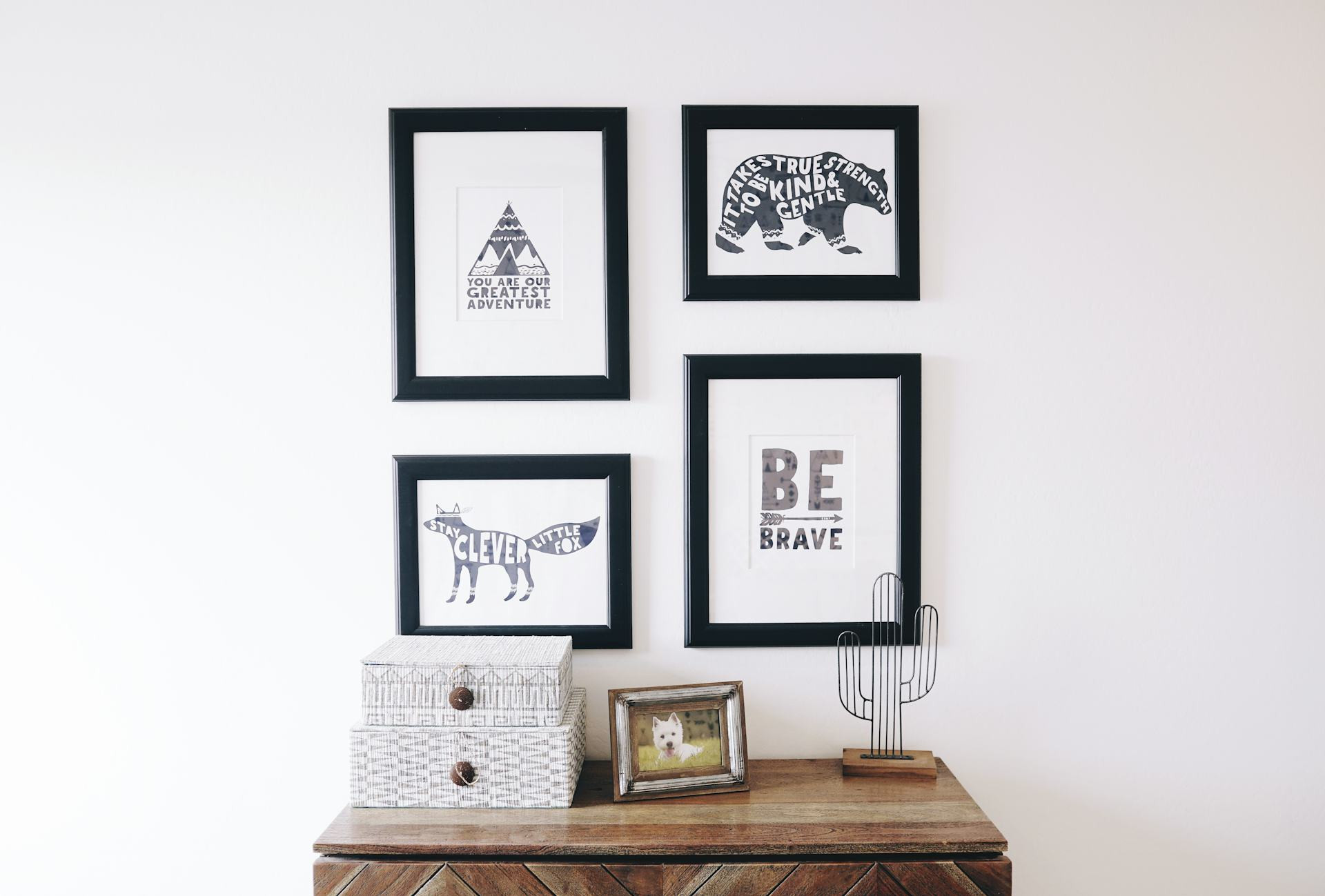
In many modern homes, we see frameless displays that make images appear to float, or deep-set frames that add a sculptural, three-dimensional quality. Mixing different sizes, materials, and hanging styles allows homeowners to create personalized gallery walls that tell a story — not just about the images they hold, but about the people who live among them.
The Future Frame – Between Craft and Innovation
The picture frame of the future will likely be a fusion of craftsmanship and technology. It will adapt to its surroundings, change its appearance, and be made with sustainability in mind. Whether digital or analog, crafted from wood or metal, the frame will continue to serve one timeless purpose: to give shape and presence to what we value most.
Perhaps that’s why the picture frame, despite its modest form, continues to evolve. It grows with our homes, our values, and our technologies — reminding us that even the smallest details can define the future of interior design.