Protect Walls and Floors in Your Hobby Garage from Dirt and Wear

Protect Walls and Floors in Your Hobby Garage from Dirt and Wear
For many Americans, a hobby garage is more than just a place to park the car—it’s a workshop, a creative space, or a weekend retreat. Whether you’re restoring a classic car, building furniture, or working on home projects, your garage takes a beating. Oil drips, sawdust, and heavy tools can quickly wear down walls and floors. With the right materials and a bit of planning, you can protect these surfaces and keep your garage looking sharp for years to come.
Start with a Deep Clean
Before adding any protective layers, start with a clean slate. Sweep and vacuum to remove dust and debris, then scrub away grease and stains using a degreaser or concrete cleaner. A pressure washer can make the job easier, especially for concrete floors, but be sure to let everything dry completely before applying coatings or coverings.
Choose the Right Floor Protection
Garage floors endure a lot—vehicle weight, chemical spills, moisture, and temperature swings. The best flooring solution depends on your budget, how you use the space, and how much maintenance you’re willing to do.
- Epoxy coating – Creates a durable, glossy surface that resists oil, chemicals, and tire marks. It’s ideal for a polished, professional look and is available in many colors and finishes.
- Interlocking PVC or rubber tiles – Easy to install and replace if damaged. They provide cushioning underfoot and help reduce noise, making them great for workshops.
- Garage floor mats – Perfect for protecting specific areas, such as under vehicles or workbenches. They catch spills and can be rolled up for cleaning.
- Concrete sealer – A budget-friendly option that helps prevent dusting and staining. It needs to be reapplied every few years but offers solid basic protection.
No matter which option you choose, make sure the concrete base is clean, dry, and level before installation.
Shield the Walls from Splashes and Scuffs
Garage walls often take a back seat to the floor, but they’re just as vulnerable to dirt, oil, and impact. Adding wall protection makes cleaning easier and keeps your space looking organized.
- Washable paint – Use a semi-gloss or satin finish that can be wiped clean. Light colors brighten the space and improve visibility.
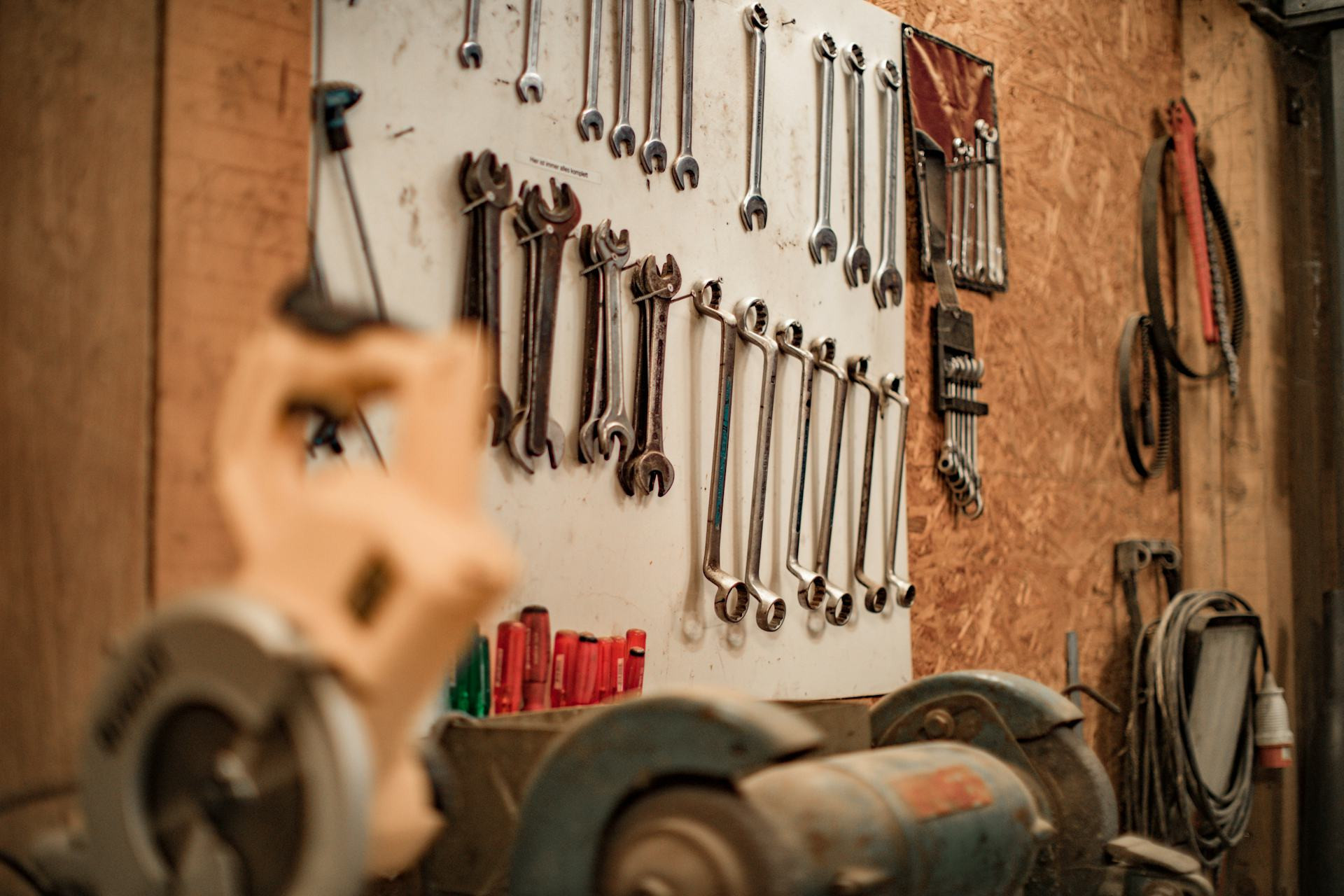
- Wall panels or plywood sheathing – Install plywood, OSB, or PVC panels on the lower portion of the wall to guard against dents and splashes. They also make it easy to mount shelves or hang tools.
- Metal or plastic backsplash panels – Behind a workbench, these protect against grease, paint, and heat while adding a professional touch.
You can mix materials for a custom look—for example, paint the upper walls and panel the lower section for durability.
Manage Moisture and Ventilation
Moisture is one of the biggest threats to any garage. It can cause paint to peel, metal to rust, and mold to form. Ensure proper ventilation with vents, windows, or an exhaust fan. If your garage floor is uninsulated, consider adding a vapor barrier beneath new flooring to block moisture from seeping up through the concrete.
Smart Additions That Make a Difference
A few small upgrades can go a long way toward keeping your garage clean and functional:
- Place doormats at entrances to trap dirt before it spreads.
- Use drip pans under vehicles or projects involving fluids.
- Install rubber bumpers on walls where car doors might hit.
- Keep cleaning supplies handy so you can tackle spills right away.
Keep Maintenance Simple
Even the best protective materials need occasional upkeep. Sweep and mop regularly, and inspect for cracks, chips, or peeling coatings. Quick repairs prevent bigger problems later. If you have an epoxy or tile floor, a light polish or reseal once a year will help maintain its shine and durability.
A Garage That Lasts—and Looks Great
Protecting your garage walls and floors isn’t just about durability—it’s about creating a space you enjoy using. A clean, well-maintained garage feels more inviting and helps you stay organized. With a little effort and the right materials, you can turn your hobby garage into a space that’s tough, tidy, and ready for whatever project comes next.