Teach Children to Interact Safely with Pets

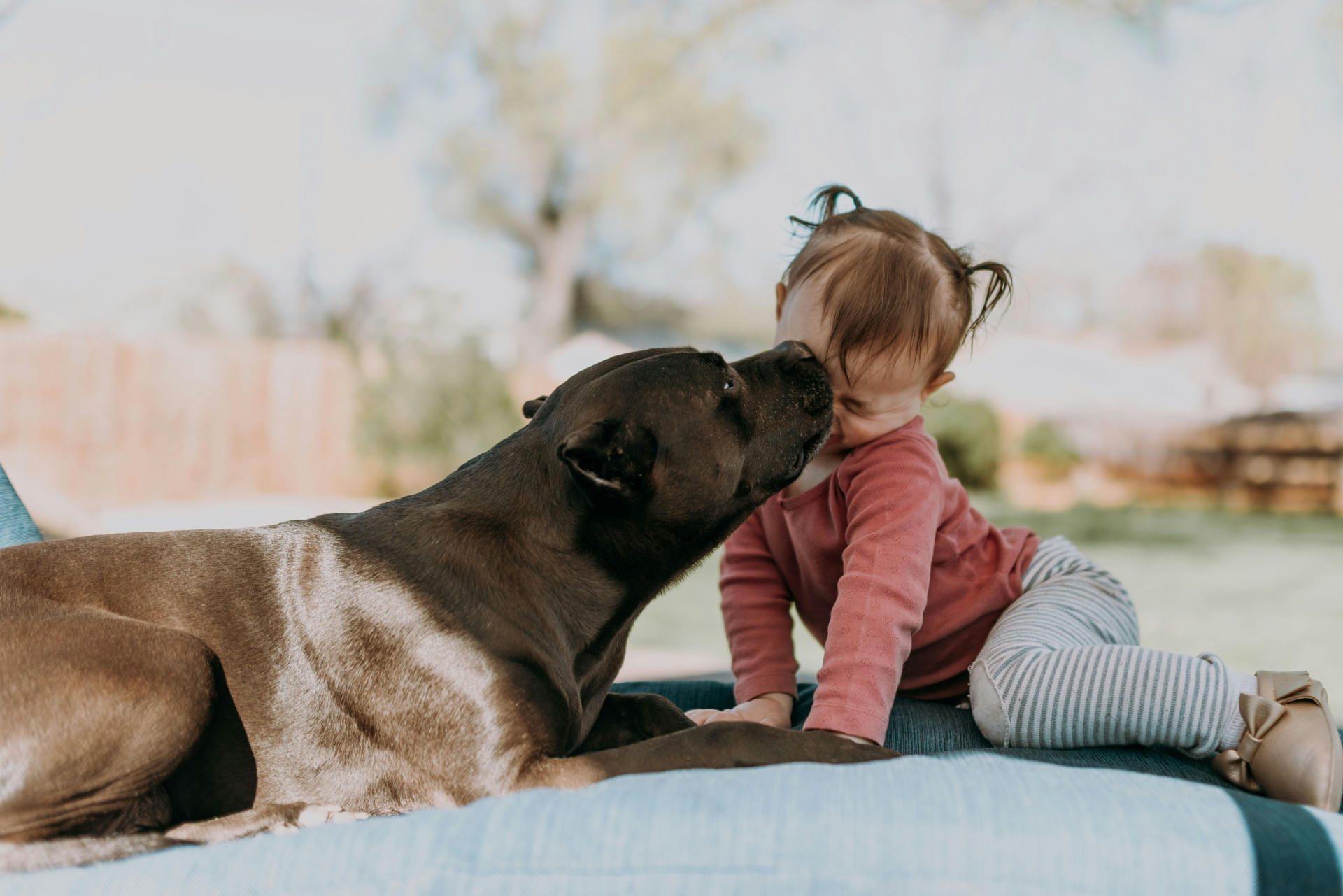
Teach Children to Interact Safely with Pets
Pets can bring children joy, comfort, and a sense of responsibility—but only if kids learn how to treat animals with respect and care. Many pet-related accidents happen because children don’t understand an animal’s signals or boundaries. With the right guidance and a few simple habits, parents can help their children build a safe and positive relationship with the family pet.
Teach Kids to Read Animal Signals
Children often see pets as playmates, but animals communicate differently than people do. It’s important to teach kids how to recognize when a pet is happy, nervous, or wants to be left alone.
- Dogs may show discomfort by turning their head away, licking their lips, or tucking their ears back.
- Cats might flick their tails, flatten their ears, or walk away when they’ve had enough attention.
- Small pets like rabbits or guinea pigs usually dislike being held for too long and may nip if they feel trapped.
Explain to your child that when a pet walks away, it’s asking for space—and that’s okay. Learning to respect these signals helps prevent bites and builds trust between child and animal.
Create Safe Spaces for Interaction
Every pet needs a place where it can retreat and feel secure. That might be a dog bed, a cat tree, or a small animal’s cage. Teach your child that this is the pet’s “quiet zone,” and it should never be disturbed.
Always supervise interactions, especially with children under 10. Even the gentlest pet can react unpredictably if startled or frightened. Supervision ensures that both child and animal stay safe and comfortable.
Make Pet Time a Learning Experience
Caring for a pet is a great way to teach children empathy and responsibility. Involve your child in daily routines in age-appropriate ways:
- Young children can help refill water bowls or gently brush the pet under supervision.
- Older kids can assist with feeding, walking the dog, or cleaning cages.
- Talk about how the pet feels and what it needs—this helps children understand that animals have emotions and deserve kindness.
When children see that their actions contribute to a pet’s well-being, they develop a deeper sense of care and respect.
Avoid Common Mistakes
Many accidents happen when children get too excited. Here are a few common situations to watch out for:
- Rough play: Teach kids not to pull tails, climb on dogs, or pick up cats the wrong way.
- Food and toys: Explain that pets can become protective of their food or favorite toy, so children should never try to take them away.
- Sudden movements: Remind kids to approach pets calmly and speak softly—loud noises or quick gestures can scare animals.
By discussing these scenarios together, you can help your child understand how to behave safely and kindly around pets.
When Friends Come Over
Visiting children may not know how to behave around animals. Before playdates, explain your pet’s rules to guests and keep an eye on interactions. It’s your responsibility as an adult to make sure everyone—both kids and pets—feels safe.
If your pet seems stressed, give it a break in another room. It’s always better to prevent a problem than to deal with one afterward.
Build Good Habits from the Start
Teaching children to interact safely with pets isn’t just about avoiding accidents—it’s about fostering respect, empathy, and understanding. When kids learn to read an animal’s signals, take responsibility, and show compassion, they gain valuable life skills that extend far beyond pet care.
A pet can become a loyal friend and a cherished part of childhood. With clear guidance and a safe environment, you can help ensure that both your child and your pet thrive—together.