Thriving Potted Plants: How to Care for Them All Season Long

Thriving Potted Plants: How to Care for Them All Season Long
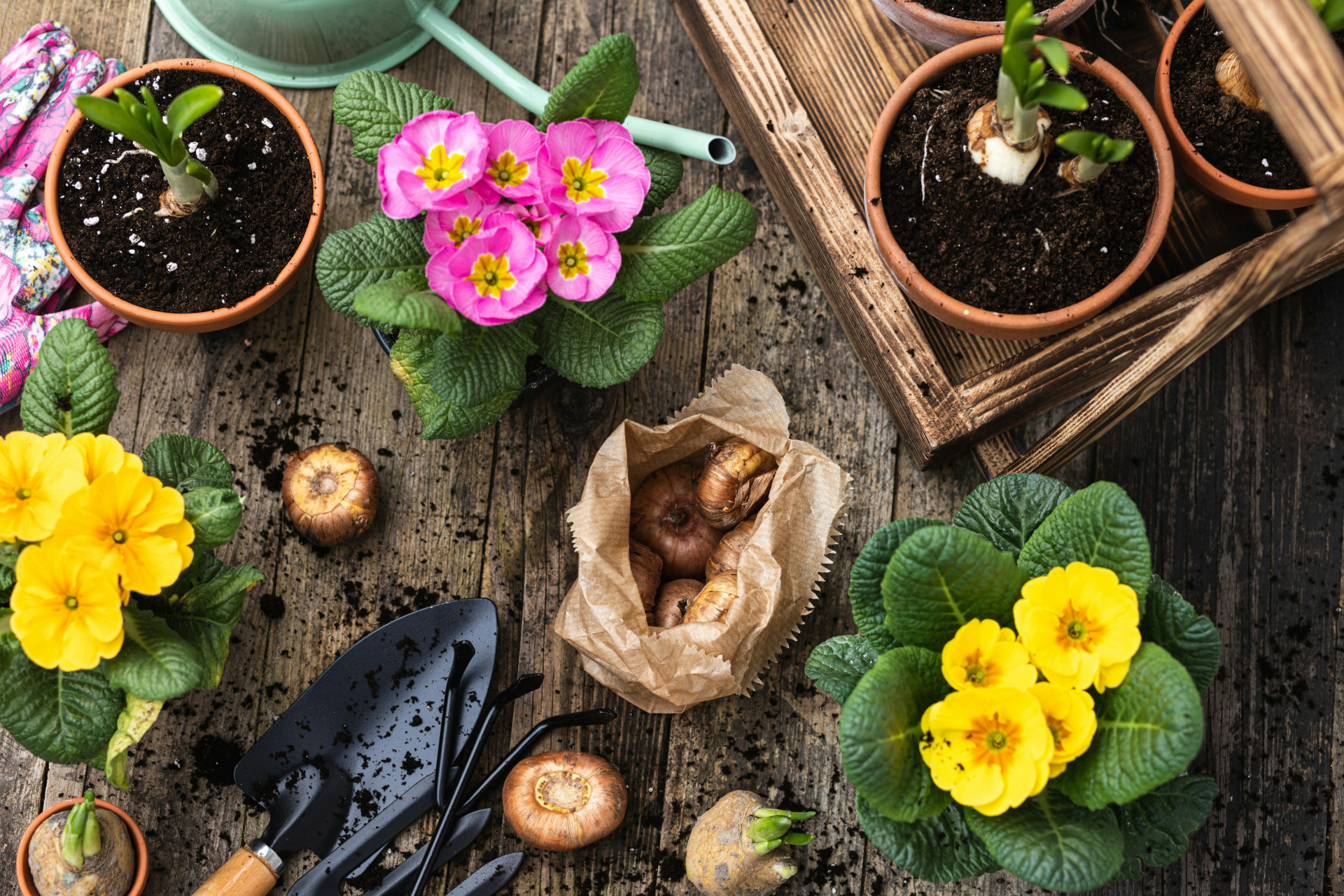
Potted plants are a simple and versatile way to bring life and color to your porch, patio, or balcony. They can be moved to follow the sun, combined in endless ways, and create a lush look even in small spaces. But to keep them thriving all season long, they need a bit of attention. Here’s a guide to choosing, planting, and caring for your potted plants from spring through fall.
Choose the Right Plants for Your Conditions
The first step to success is selecting plants that match the light conditions where they’ll live.
- Full sun: Go for heat- and drought-tolerant plants like petunias, geraniums, lantana, lavender, or rosemary.
- Partial shade: Impatiens, begonias, and coleus do well where the sun hits for only a few hours a day.
- Shade: Ferns, hostas, and caladiums add lush greenery even in low-light spots.
Think about how your plants look together. Mix different heights, colors, and leaf textures for a more dynamic and natural display.
The Right Pot and Soil
The container is more than just decoration—it’s key to your plant’s health. Always choose a pot with drainage holes so excess water can escape. Add a layer of gravel or small stones at the bottom to improve drainage.
Use a high-quality potting mix, ideally one formulated for containers. Avoid garden soil, which can be too heavy and compact. You can mix in compost or a slow-release fertilizer to give your plants a good start.
If you’re reusing pots from last year, wash them thoroughly before planting. This helps prevent fungus and disease from spreading to new plants.
Watering – The Most Important Routine
Because potted plants have limited soil, they dry out faster than plants in the ground. During hot spells, you may need to water daily, especially if your pots are in full sun.
A few helpful tips:
- Water deeply so the entire root ball gets moist.
- Don’t let water sit in saucers for long—it can cause root rot.
- Consider self-watering containers or watering globes if you’ll be away for a few days.
Be careful not to overwater. Yellowing or limp leaves can be a sign of too much moisture.
Feeding – Energy for Growth and Blooms
To keep your plants blooming all season, they need regular feeding. Use a liquid fertilizer every 10–14 days, or choose slow-release fertilizer pellets that provide nutrients over time.
Heavy feeders like petunias, geraniums, and calibrachoa benefit from consistent feeding, while herbs such as thyme and lavender prefer leaner soil with less fertilizer.
When in doubt, feed lightly—too much fertilizer can lead to lots of leaves but fewer flowers.
Pruning and Maintenance
To keep your plants looking their best, regular maintenance is key. Remove spent flowers and dead leaves to encourage new blooms and prevent disease.
Some plants, like geraniums and verbena, benefit from a light trim in mid-summer. This encourages fresh growth and a fuller shape.
Keep an eye out for pests such as aphids, spider mites, or whiteflies. They can spread quickly in containers but are often easy to control with insecticidal soap or by rinsing the leaves with water.
Fall and Overwintering
As temperatures drop, you can extend the season by swapping summer annuals for cool-weather plants like ornamental kale, pansies, or chrysanthemums. They’ll add color well into fall.
Perennial plants in pots—such as lavender, rosemary, or small shrubs—can survive winter if protected. Move them close to the house, and wrap the pot in burlap or bubble wrap to insulate the roots from freezing temperatures.
Empty and clean any pots you won’t use over winter so they’re ready for next spring.
Create a Living Display Year-Round
Potted plants let you create small green retreats no matter how much space you have. By rotating plants with the seasons, you can enjoy something beautiful all year long—from spring bulbs to summer blooms and fall foliage.
With a bit of planning, consistent watering, and regular care, your potted plants can thrive all season long—and bring joy every time you step outside.