Incorporate Sustainability into Your Energy Renovation

Incorporate Sustainability into Your Energy Renovation
When you plan an energy renovation, it’s not just about lowering your utility bills. It’s also about thinking long-term — economically, environmentally, and in terms of your home’s value. A sustainable energy renovation is an investment that should pay off for many years to come. Here’s how you can incorporate sustainability into the process — from material choices to future-proofing your home.
Start with a Comprehensive Plan
Before you begin, take a holistic look at your home. An energy renovation shouldn’t happen in random stages but as a coordinated process where each improvement supports the others.
Consider getting a home energy audit to identify where your house loses the most energy — through drafty windows, poor insulation, or an outdated HVAC system.
Once you know your home’s weak points, you can prioritize the upgrades that will have the greatest impact — both for the environment and your wallet.
Choose Durable, Sustainable Materials
Sustainability isn’t just about how something looks, but how long it lasts and how it performs over time. When selecting materials, think about longevity, maintenance, and environmental impact.
- Insulation: Opt for materials with a long lifespan and low environmental footprint, such as cellulose, recycled denim, or mineral wool.
- Windows: Choose ENERGY STAR®-certified windows with low U-factors and durable frames that require minimal upkeep.
- Roofing and siding: Look for materials that can last for decades and can be repaired or recycled rather than replaced.
A product that costs a bit more upfront can save money in the long run if it lasts longer and requires less maintenance.
Plan for Flexibility
Technology evolves quickly, and what’s cutting-edge today may be outdated in a few years. That’s why it’s smart to choose systems that can be upgraded or expanded later.
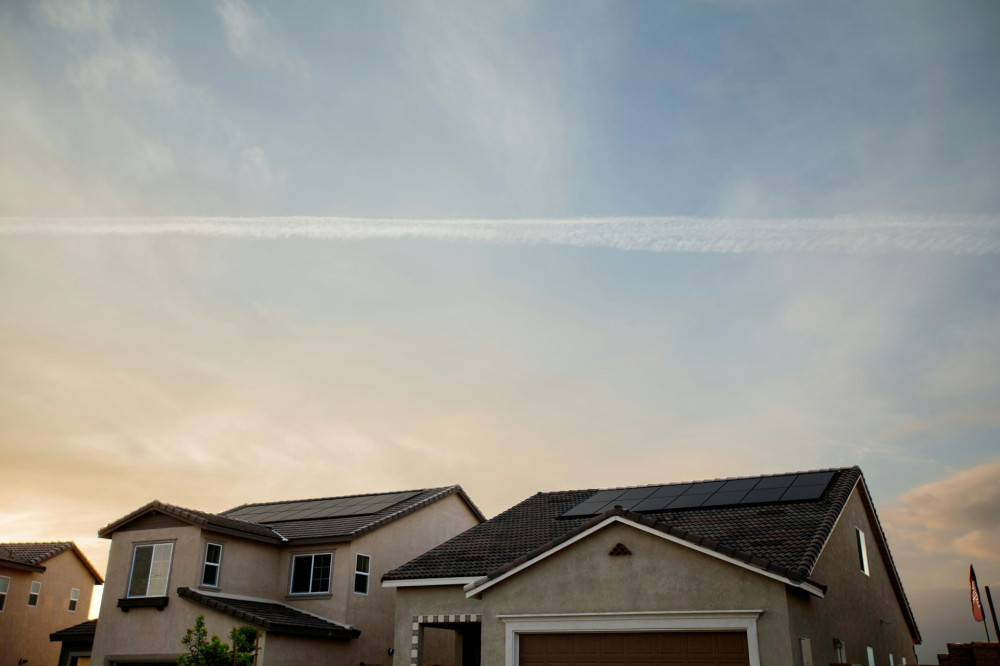
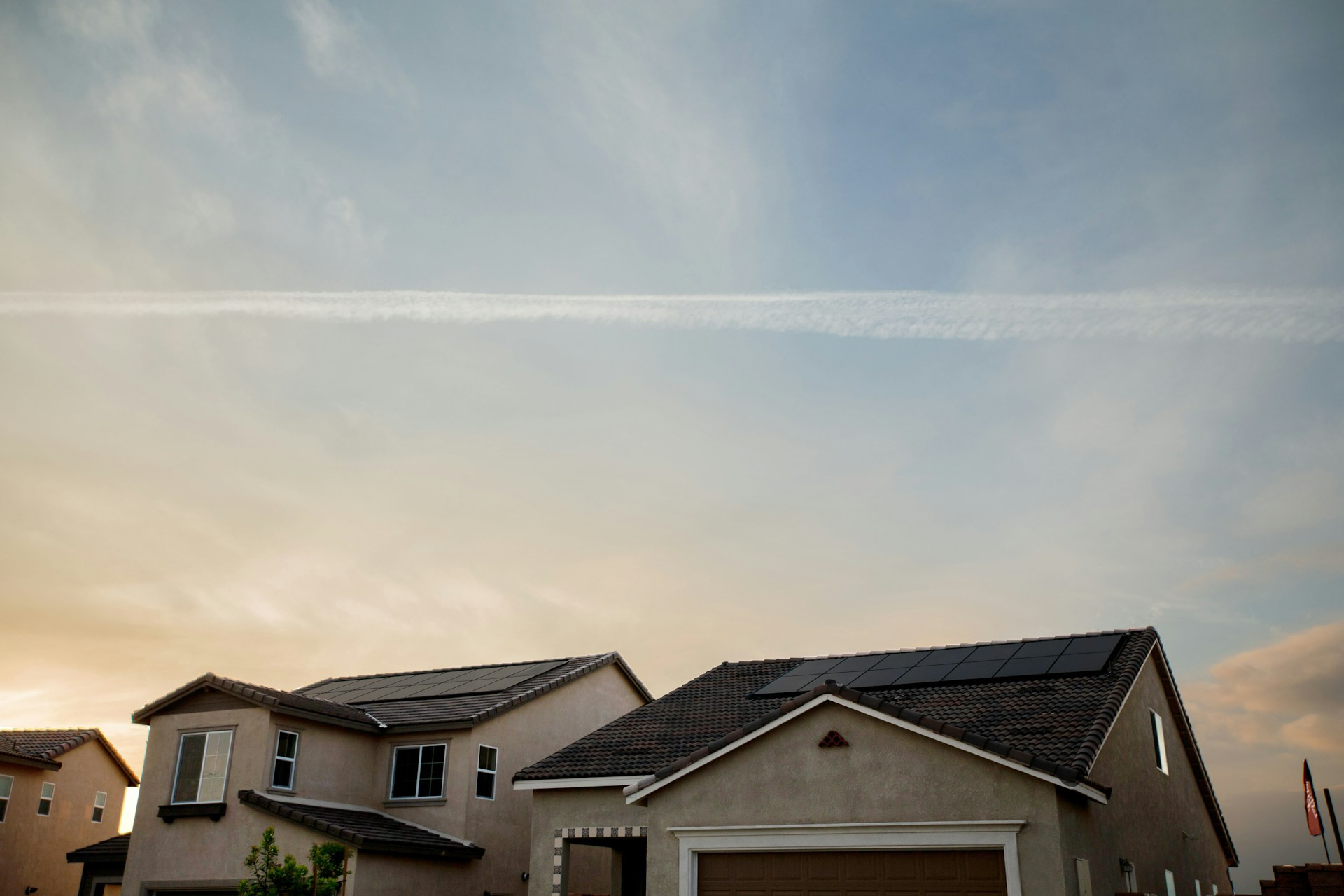
If you’re installing a new heating or cooling system, make sure it can integrate with solar panels or a heat pump in the future. Or choose a ventilation system that can be adjusted if you later add more insulation.
Flexibility makes your investment more resilient and future-ready.
Læs også:
Go Green — but Stay Practical
It can be tempting to go all-in on the greenest solutions, but it’s important to balance ideals with practicality and budget.
Create a budget that accounts for both installation and operating costs. Sometimes a smaller, well-executed improvement can deliver nearly the same benefits as a full-scale renovation.
Also, look for ways to reuse existing materials. Old bricks, doors, or hardwood floors can often be restored and reused — saving both money and resources.
Prioritize Indoor Air Quality
An energy renovation isn’t only about saving energy — it’s also about creating a healthy, comfortable home. When you tighten and insulate your house, make sure you maintain good ventilation to prevent moisture buildup and indoor air pollution.
A balanced ventilation system with heat recovery can be a great investment. It provides fresh air year-round while minimizing heat loss.
Choose materials that are low in volatile organic compounds (VOCs) and other harmful substances — it’s better for both your health and the environment.
Seek Professional Guidance
While many energy upgrades may seem straightforward, it often pays to consult a certified energy auditor or building professional. They can help you calculate potential savings, estimate payback periods, and ensure that your chosen solutions fit your home’s specific needs.
Professional planning reduces the risk of costly mistakes and ensures you get the most out of your investment — financially and environmentally.
An Investment in the Future
Incorporating sustainability into your energy renovation is ultimately about taking responsibility — for your finances, for the planet, and for future generations.
A thoughtfully renovated home uses less energy, requires less maintenance, and holds greater value on the housing market. It’s an investment that pays off — not just in dollars, but in comfort, health, and sustainability.
Læs også: