Mirrors with Light Control: Enhancing Functionality and Comfort

Mirrors with Light Control: Enhancing Functionality and Comfort
Mirrors have long been an essential element in homes, workplaces, and public spaces, serving both practical and aesthetic purposes. In recent years, advancements in technology have introduced mirrors with integrated light control, offering enhanced functionality, improved visibility, and greater energy efficiency. These mirrors are designed to provide users with precise control over lighting conditions, creating an optimal environment for personal grooming, professional tasks, or interior design.
How Mirrors with Light Control Work
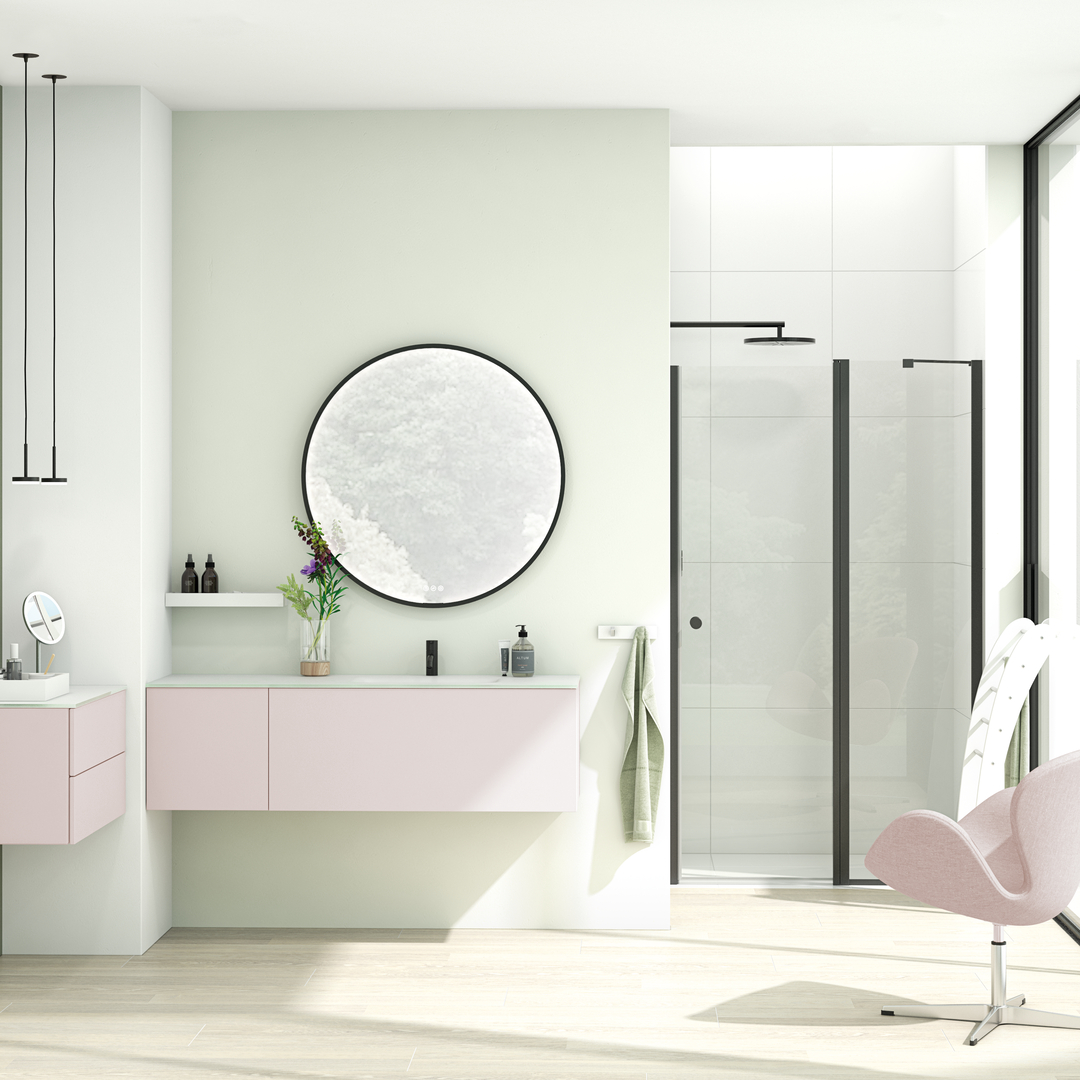
A mirror with light control can incorporate advanced lighting technologies, such as LED panels, dimmers, and smart sensors, directly into or around the reflective surface. These systems allow users to adjust brightness, color temperature, and even direction of illumination. Some models feature touch-sensitive panels or remote controls, enabling seamless adjustments according to individual preferences or specific tasks.
Light-controlled mirrors can be particularly useful in spaces where natural light is limited or inconsistent. For example, in bathrooms or dressing rooms without sufficient windows, integrated lighting ensures even illumination across the face or body, reducing shadows and improving visibility. Similarly, in professional environments such as salons, studios, or medical settings, precise lighting can enhance accuracy and performance during detailed work.
Benefits of Light-Control Mirrors
One of the primary benefits of mirrors with light control is enhanced visibility. Adjustable lighting ensures that users can see themselves clearly under optimal conditions, whether applying makeup, shaving, or performing precision tasks. By controlling brightness and color temperature, these mirrors can mimic natural light, helping to produce accurate results and reducing eye strain.
Energy efficiency is another key advantage. Modern LED-based mirrors consume minimal power while providing bright, uniform illumination. Many systems include motion sensors or automatic shut-off features, ensuring that lights are only used when needed. This not only reduces electricity costs but also contributes to environmentally responsible usage.
Aesthetic versatility is also notable. Mirrors with integrated lighting create a modern, streamlined appearance that complements a wide variety of interior design styles. They can serve as focal points in bathrooms, bedrooms, and dressing areas, providing both functional and decorative value.
Applications and Considerations
Mirrors with light control are suitable for residential, commercial, and professional applications. In homes, they enhance daily routines and improve the comfort of personal spaces. In commercial settings, such as hotels, gyms, or retail stores, they improve customer experiences and add a touch of sophistication. Professional applications, including beauty salons, medical offices, and photography studios, benefit from consistent, high-quality lighting that supports accurate work.
When selecting a light-controlled mirror, it is important to consider factors such as size, brightness range, color temperature options, and energy efficiency. Features like anti-fog coatings, adjustable angles, and touch or motion sensors can further enhance usability and convenience.
Mirrors with light control represent a significant evolution in reflective technology, combining traditional functionality with modern lighting innovation. By offering adjustable illumination, energy efficiency, and versatile design, these mirrors enhance both practical use and aesthetic appeal, making them an increasingly popular choice for a wide range of applications.