Safe Furniture in the Nursery – How to Prevent Accidents

Safe Furniture in the Nursery – How to Prevent Accidents
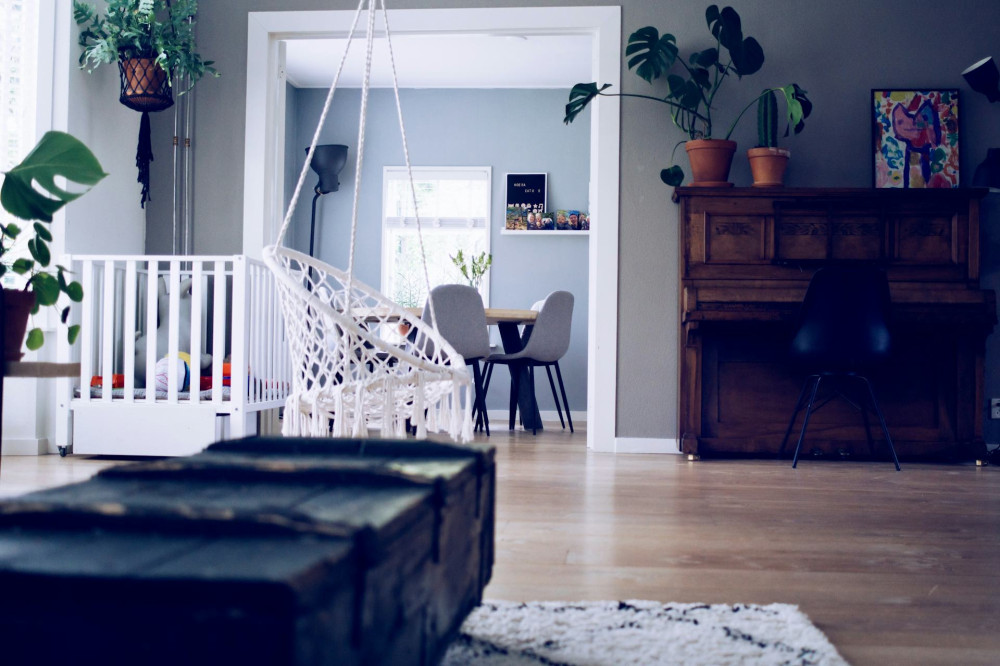
A nursery should be a place where comfort, imagination, and safety come together. But because babies and toddlers are curious explorers, furniture and décor can sometimes pose hidden dangers. Every year, thousands of children in the U.S. are injured in home accidents involving falling furniture, sharp corners, or unstable pieces. The good news is that most of these accidents can be prevented with a few simple precautions. Here’s how to create a safe and cozy nursery without sacrificing style.
Secure Heavy Furniture First
One of the most common causes of nursery injuries is furniture tip-overs. Dressers, bookcases, and changing tables can easily become unstable if a child tries to climb them. Always anchor heavy furniture to the wall using safety straps or brackets. Many U.S. furniture retailers and manufacturers now provide free anchoring kits—ask for them when you buy new pieces.
Make sure drawers have safety stops so they can’t be pulled all the way out, and choose low, wide dressers with a sturdy base. If your child will be using the furniture independently, stability should be your top priority.
Soften Sharp Edges and Hard Surfaces
Little ones are still learning balance, so bumps and falls are inevitable. To reduce the risk of injury, cover sharp corners and edges with rubber or silicone protectors. These are inexpensive, easy to install, and can be removed later when your child is older.
Think about the flooring, too. A soft area rug or foam play mat can cushion falls, while slick hardwood or tile floors increase the risk of slipping. Avoid glass or metal furniture in the nursery—wood and fabric are safer and more child-friendly materials.
Keep the Room Balanced and Stable
When arranging the nursery, place heavier items on lower shelves and lighter ones higher up. This helps prevent top-heavy furniture from tipping. Avoid storing heavy toys or décor on high shelves where they could fall.
If you use small tables or chairs, choose models with non-slip feet. This prevents them from sliding when your child leans or pulls on them.
Læs også:



Make the Crib a Safe Zone
The crib is the heart of the nursery—and also a place where safety matters most. Always follow current U.S. safety standards for cribs: slats should be no more than 2 3/8 inches apart, and there should be no drop sides. For toddlers, use a bed with guardrails to prevent falls during sleep. Bunk beds should only be used by children over six years old, and the ladder must be securely attached.
Keep the crib away from windows, blinds, and cords. Loose strings or curtain ties can pose strangulation hazards, and electrical cords should always be out of reach.
Watch Out for Electrical and Choking Hazards
Even if your furniture is secure, the surrounding environment can still hide risks. Cover all electrical outlets with safety plugs, and keep cords neatly tucked away or secured with cord shorteners. Choose lamps and nightlights that meet U.S. safety certifications (such as UL-listed products) and place them where your child can’t pull them down.
Regularly check furniture and toys for loose screws, buttons, or small parts that could become choking hazards—especially for children under three.
Create a Room That Grows Safely
A safe nursery isn’t just about preventing accidents today—it’s about building a space that adapts as your child grows. Choose adjustable furniture, like cribs that convert into toddler beds or changing tables that can later serve as dressers. This reduces the need for makeshift solutions that might be unstable or unsafe.
As your child gets older, involve them in keeping their room safe. Teach them why climbing on furniture or playing with cords is dangerous. Building awareness early helps children develop good safety habits for life.
A Secure Foundation for Play and Growth
A safe nursery doesn’t have to look sterile or boring. With a few thoughtful choices, you can create a warm, inviting space where your child can play, rest, and grow without unnecessary risks. Safety starts with prevention—and a secure environment gives both you and your child the peace of mind to enjoy every moment together.
Læs også: