A Healthier Indoor Climate Through Energy Optimization

A Healthier Indoor Climate Through Energy Optimization
A comfortable indoor environment is about more than just temperature—it’s about health, well-being, and energy efficiency. Many American homes struggle with issues like poor ventilation, uneven heating, and high energy bills, all of which can affect comfort and air quality. Fortunately, energy optimization can be the key to creating a healthier and more sustainable home. Here’s how you can improve your indoor climate while reducing energy consumption.
Why Energy and Indoor Climate Are Connected
When we think about energy efficiency, we often focus on saving money or reducing our carbon footprint. But the way a home uses energy also has a direct impact on indoor air quality and comfort. Poor insulation can lead to drafts and cold spots, while inadequate ventilation can cause moisture buildup and mold growth. On the other hand, a well-insulated and energy-efficient home maintains a stable temperature, reduces humidity problems, and ensures fresh air circulation year-round.
In short: an energy-efficient home is often a healthier home.
Insulation – The First Step Toward a Stable Indoor Climate
Improving insulation is one of the most effective ways to enhance both energy performance and indoor comfort. Proper insulation keeps walls, ceilings, and floors warm, preventing condensation and moisture issues. It also helps maintain an even temperature throughout the home, reducing the need for constant heating or cooling.
- Attic insulation is often the best place to start, since heat naturally rises and escapes through the roof.
- Exterior walls can be insulated from the inside or outside, depending on the home’s structure.
- Windows and doors should be properly sealed, and older models can be replaced with energy-efficient versions to prevent heat loss.
Good insulation allows you to lower your thermostat without sacrificing comfort—saving energy and improving your indoor environment at the same time.
Læs også:
Ventilation – Fresh Air Without Energy Waste
A healthy indoor climate depends on proper ventilation. Simply opening windows occasionally isn’t always enough, especially in modern, airtight homes. A balanced ventilation system with heat recovery can be a great solution.
These systems continuously exchange indoor and outdoor air, removing moisture and pollutants while recovering heat from the outgoing air. The result is fresh, filtered air without unnecessary energy loss—and a noticeable improvement in air quality.
If your home doesn’t have mechanical ventilation, you can still improve air quality by airing out regularly, using exhaust fans in kitchens and bathrooms, and ensuring that vents and ducts are clean and unobstructed.
Balancing Heat and Humidity
Comfortable indoor air depends on maintaining the right balance between temperature and humidity. High humidity can lead to mold and mildew, while air that’s too dry can cause irritation to the eyes and respiratory system. Ideally, indoor humidity should stay between 40 and 60 percent.
You can control humidity by:
- Drying clothes outdoors or in well-ventilated areas.
- Using range hoods and bathroom exhaust fans.
- Keeping vents and radiators clear of furniture.
An energy-efficient heating system—such as a heat pump—can help maintain a consistent temperature and reduce humidity problems while using less energy than traditional systems.
Smart Solutions for Modern Homes
Technology makes it easier than ever to manage both energy use and indoor comfort. Smart thermostats and air quality sensors can monitor temperature, humidity, and CO₂ levels in real time. These systems automatically adjust heating, cooling, or ventilation to maintain a healthy indoor climate without wasting energy.
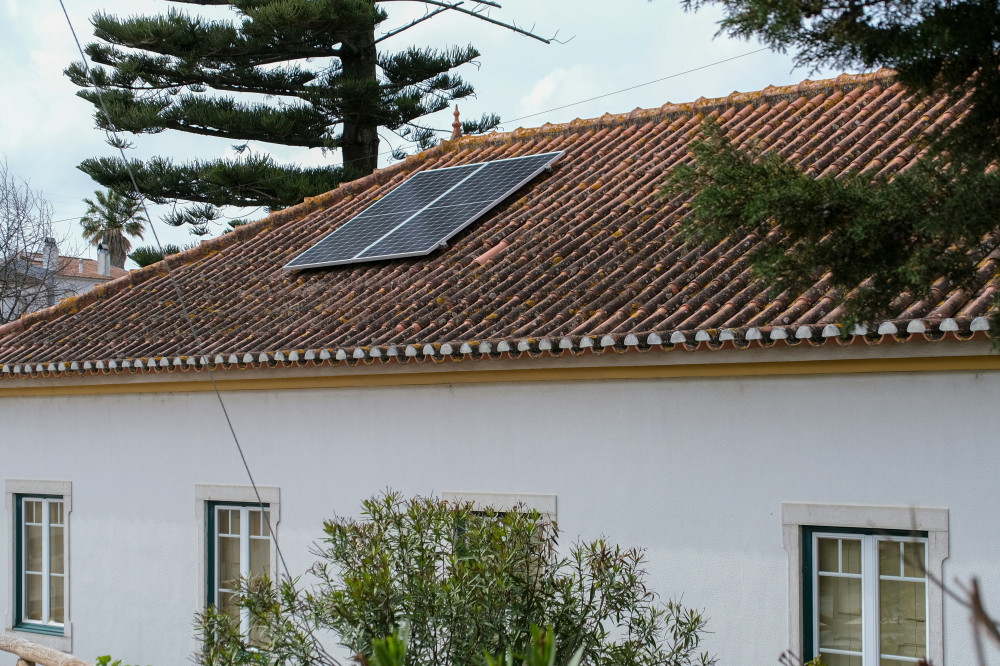
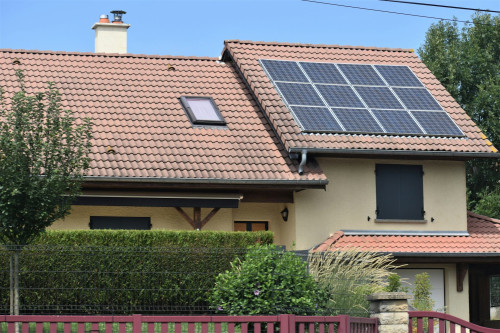
Some advanced systems even integrate solar panels, heat pumps, and ventilation units to optimize energy use throughout the home. It’s an investment that benefits both the environment and your daily comfort.
An Investment in Health and Sustainability
Energy optimization isn’t just about cutting costs—it’s about creating a home where you and your family can thrive. A healthy indoor climate can reduce the risk of allergies, headaches, and fatigue, while also lowering your home’s carbon footprint.
Whether you live in an apartment or a single-family house, even small improvements can make a big difference. Start with a professional energy audit to identify where your home can be optimized. From there, you can take meaningful steps toward a home that’s healthier, more comfortable, and more sustainable for years to come.
Læs også: