Solar Panels in Rural Areas – Making the Most of Space for Green and Efficient Energy Production

Solar Panels in Rural Areas – Making the Most of Space for Green and Efficient Energy Production
In rural America, there’s something many city dwellers can only dream of: space. Expansive rooftops, open fields, and wide distances between neighbors create ideal conditions for harnessing the power of the sun. Solar panels are no longer just for suburban homes or large corporations—they’re becoming an integral part of modern farming and rural living. Here’s how you can make the most of your land to produce clean, efficient energy that benefits both the environment and your bottom line.
Solar Power as Part of the Future of Farming
Agriculture is at the heart of the nation’s transition to cleaner energy. Farms often have high electricity demands for irrigation systems, refrigeration, and machinery. By installing solar panels, farmers can offset a large portion of their energy use with their own production—and even sell excess power back to the grid through net metering programs.
Panels can be mounted on barn roofs, machine sheds, or other outbuildings that are well-positioned to capture sunlight. Ground-mounted systems are another option, especially when there’s unused or less productive land available. This flexibility allows farmers and rural property owners to tailor solar installations to their specific needs and landscapes.
Economics and Incentives
While solar panels require an upfront investment, costs have dropped dramatically over the past decade, and electricity prices have continued to rise. For many rural properties, the payback period can now be under 10 years, while panels typically last 25 to 30 years.
Federal and state incentives can make solar even more affordable. The federal Investment Tax Credit (ITC) allows you to deduct a significant percentage of installation costs from your taxes. Many states and utilities also offer rebates, grants, or low-interest financing for renewable energy projects. Farmers may qualify for additional support through USDA programs such as the Rural Energy for America Program (REAP). Consulting an energy advisor or accountant can help identify the best combination of incentives for your situation.
Ground-Mounted Solar – When Space Is on Your Side
One of the biggest advantages of rural living is having room to work with. Ground-mounted solar systems can be an efficient way to use land that’s not ideal for crops or livestock. Panels can be installed on racks that allow grass or pollinator-friendly plants to grow underneath, supporting biodiversity while generating clean power.
It’s important, however, to consider the visual and environmental impact. A well-designed solar array can blend into the landscape with the help of natural screening, such as hedgerows or native vegetation. Local zoning and permitting requirements vary, so it’s wise to involve your county or township early in the planning process.
Rooftop Solar – The Discreet Option
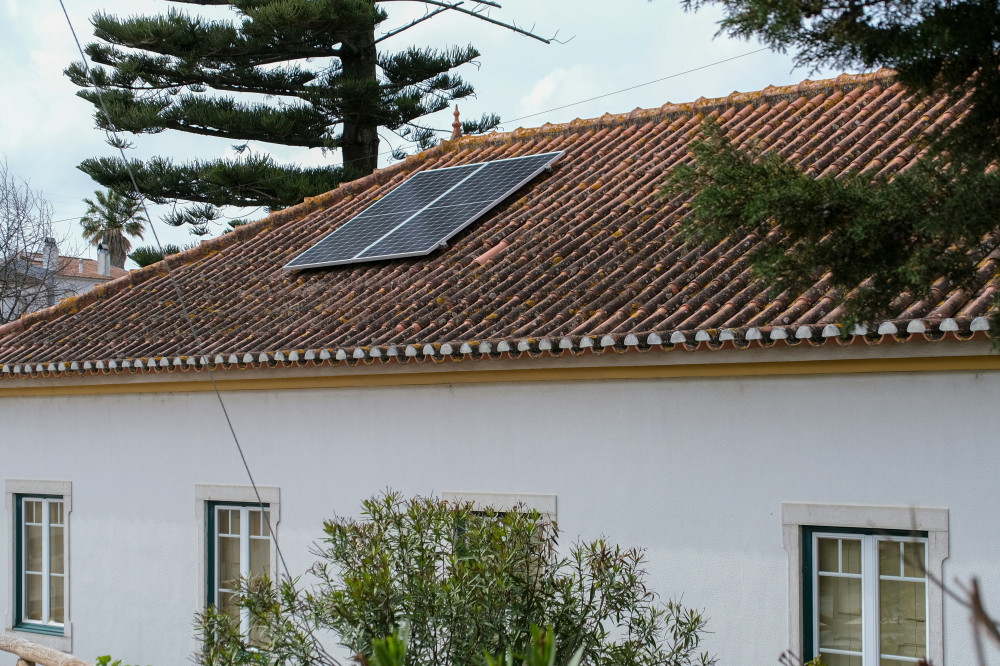
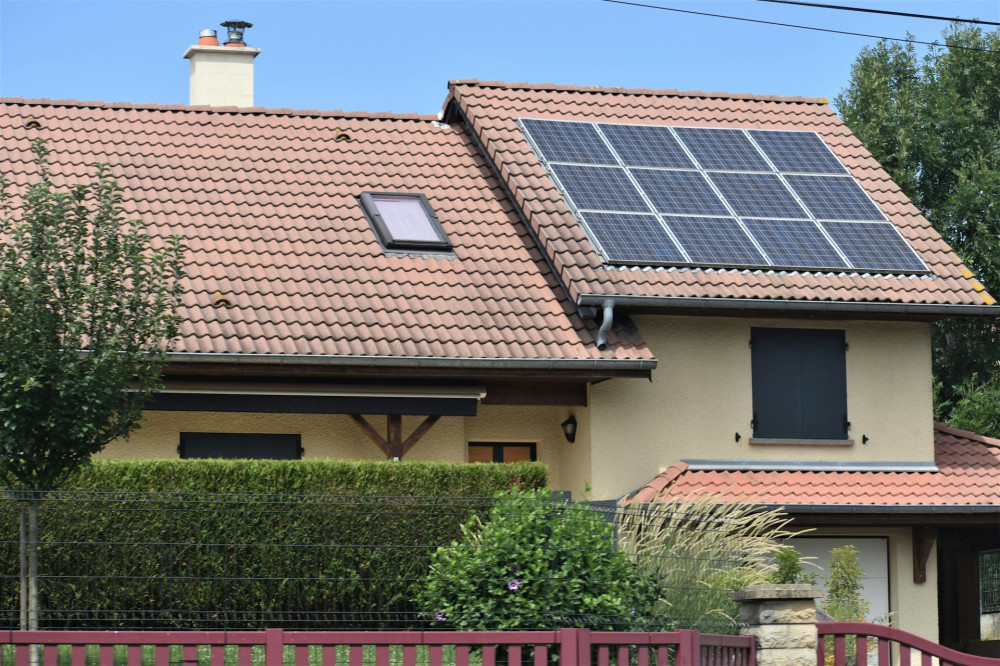
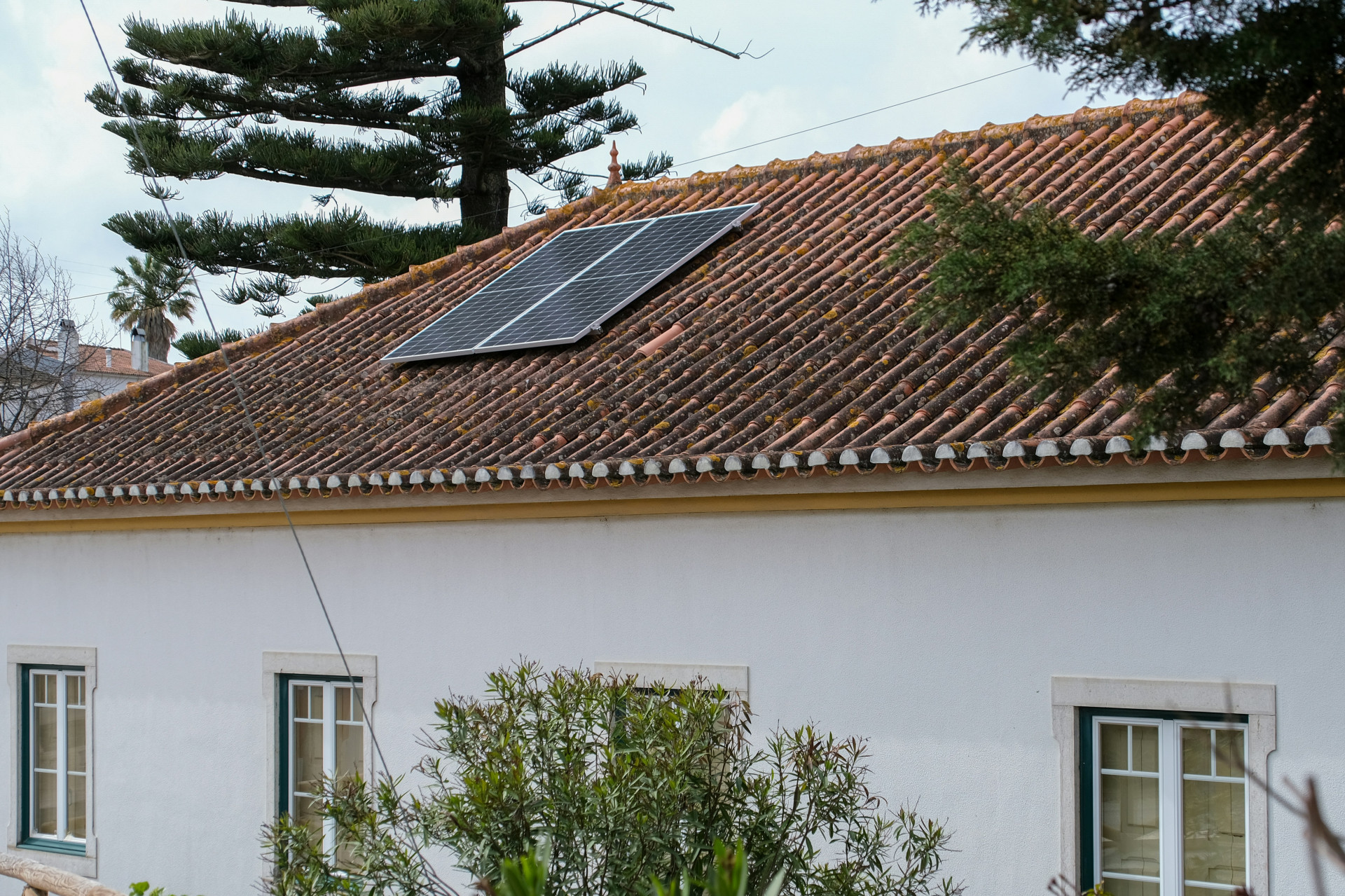
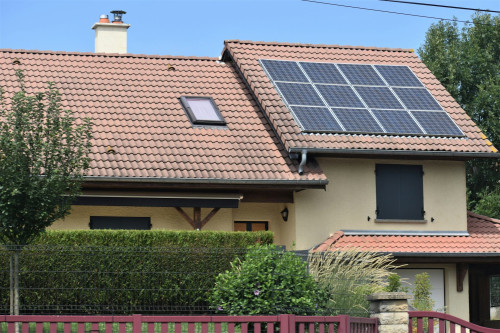
For many rural properties, rooftops are the perfect place for solar panels. They make use of existing structures, minimize land disturbance, and are often ideally oriented toward the sun. A south-facing roof with a 30–45 degree pitch typically yields the best results, but modern inverters can optimize production even on east- or west-facing roofs.
Before installation, check the roof’s condition and load-bearing capacity. If your roof is due for replacement, combining the two projects can save time and money while ensuring a long-lasting setup.
Læs også:

Environmental and Community Benefits
Solar energy in rural areas isn’t just about saving money—it’s about taking responsibility for the planet and leading the way toward a sustainable energy future. Many farmers and rural homeowners find that solar panels become a visible symbol of environmental stewardship and local innovation.
Solar projects can also strengthen community ties. Across the U.S., neighbors and small towns are forming solar co-ops or community solar projects, sharing costs and benefits. These initiatives foster collaboration and give residents a sense of ownership in the clean energy transition.
Getting Started
If you’re considering solar panels for your property, here are a few steps to guide you:
- Assess your energy use – How much electricity do you use, and when is your peak demand?
- Evaluate your space – Identify the best locations for panels, whether on roofs or open land.
- Request multiple quotes – Compare system sizes, costs, and estimated payback times.
- Check local regulations – Understand zoning, permitting, and interconnection requirements.
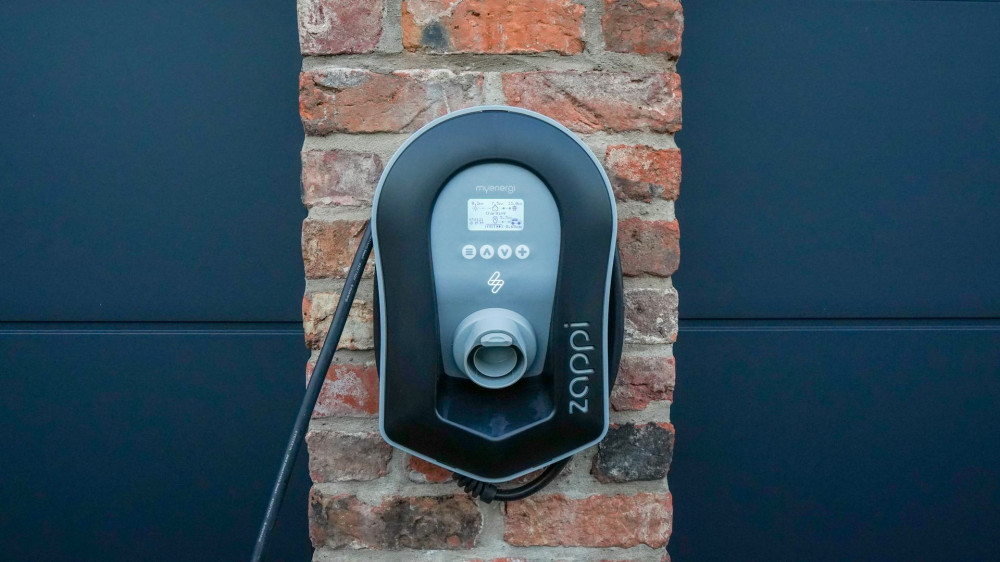
- Plan for the future – Consider upcoming needs like electric vehicles, heat pumps, or farm expansion.
With careful planning, solar panels can become a reliable and sustainable investment that reduces carbon emissions and strengthens rural economies.
A Sustainable Future Starts Close to Home
Solar energy in rural America represents a practical step toward a cleaner, more resilient energy system. When each farm, homestead, and small town harnesses the power of the sun, it contributes to a nationwide movement—one where innovation, responsibility, and the smart use of space come together to build a greener future. The space is already there. It’s just a matter of using it wisely.
Læs også: