Extend Your Roof’s Lifespan and Sustainability with Regular Maintenance

Extend Your Roof’s Lifespan and Sustainability with Regular Maintenance
Your roof is one of the most important parts of your home—it shields you from rain, wind, snow, and sun, while also playing a key role in energy efficiency and comfort. But even the best roof won’t last forever without care. Regular maintenance can significantly extend its lifespan, prevent costly repairs, and make your home more sustainable. Here’s how a few simple routines can help keep your roof in great shape for decades.
Why Maintenance Pays Off
Every day, your roof faces harsh weather—UV rays, heavy rain, snow, and temperature swings. Over time, these elements can cause cracks, leaks, and general wear. By inspecting and maintaining your roof regularly, you can catch small issues before they turn into major problems, saving both money and materials.
A well-maintained roof also improves your home’s energy performance. Tight seals and intact materials reduce heat loss in winter and keep your home cooler in summer, lowering your energy bills and your carbon footprint.
Inspect Your Roof Twice a Year
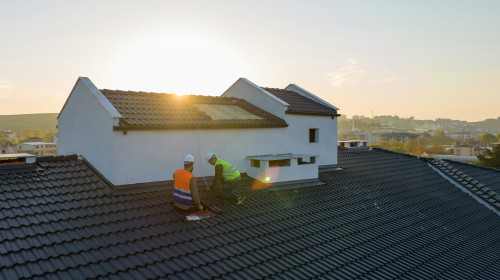
A good rule of thumb is to inspect your roof at least twice a year—typically in spring and fall. After winter, check for damage caused by ice or snow, and in fall, prepare your roof for the colder months ahead.
During your inspection, look for:
- Cracked, curled, or missing shingles – especially after storms or high winds.
- Moss or algae growth – these hold moisture and can damage roofing materials over time.
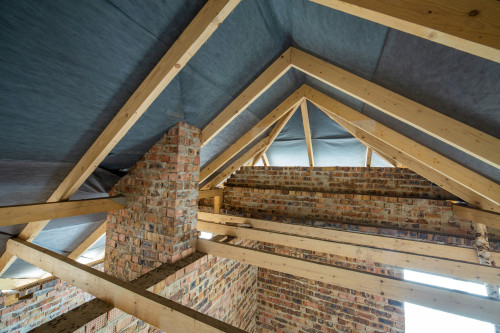
- Leaks or weak spots – around chimneys, vents, skylights, and flashing.
- Debris buildup – leaves, branches, and dirt that can block water flow.
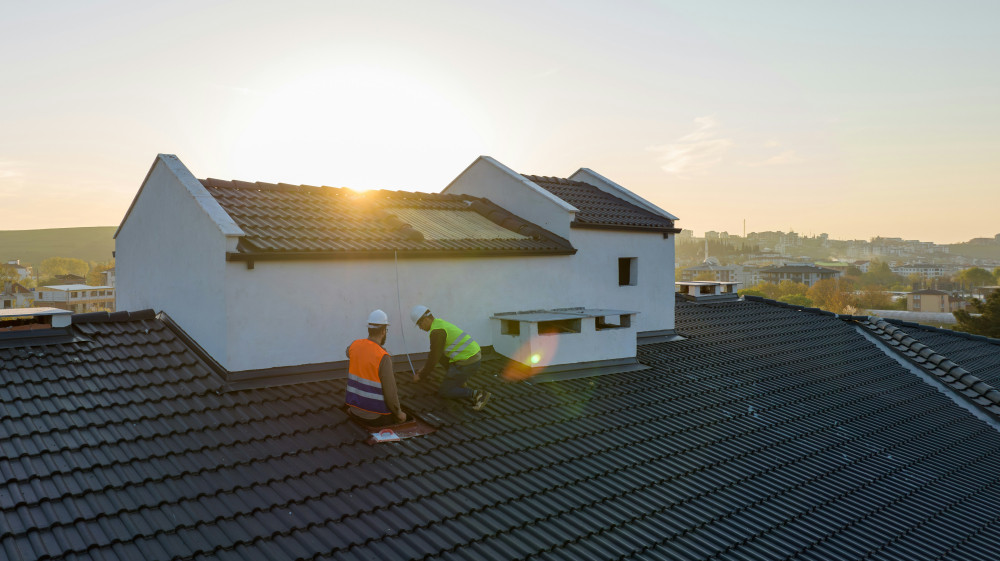
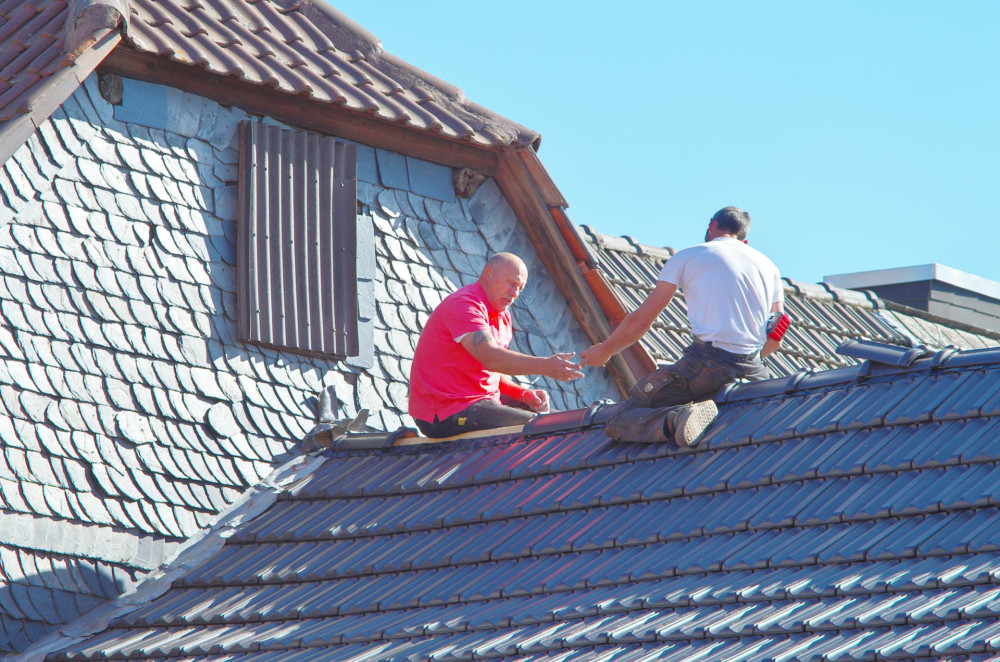
If you’re not comfortable climbing onto your roof, consider hiring a professional roofer or inspector to handle the job safely.
Clean Gutters and Downspouts
Your gutters are essential for directing rainwater away from your home. When they’re clogged, water can overflow and seep into your roof, siding, or foundation. Clean your gutters at least once a year—more often if you live near trees.
Use gloves and a small scoop to remove debris, then flush the gutters with water to ensure proper drainage. Installing gutter guards can help reduce the frequency of cleanings and prevent blockages.
Remove Moss and Algae Safely
Moss and algae thrive in damp, shaded areas—especially on north-facing roofs. While they may seem harmless, they can trap moisture and shorten your roof’s lifespan. Remove them gently with a soft brush or specialized roof-cleaning solution. Avoid using a pressure washer, as it can damage shingles and void warranties.
Choose eco-friendly cleaning products designed for roofs, and avoid letting runoff enter storm drains. You can also prevent regrowth by trimming overhanging branches to allow more sunlight and airflow.
Check the Attic and Underlayment
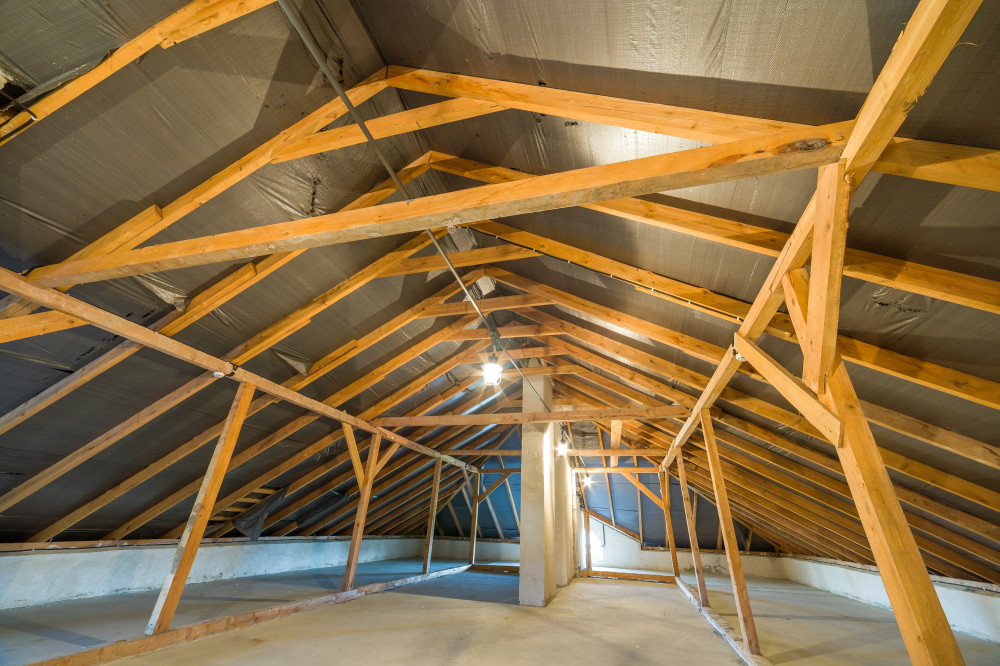
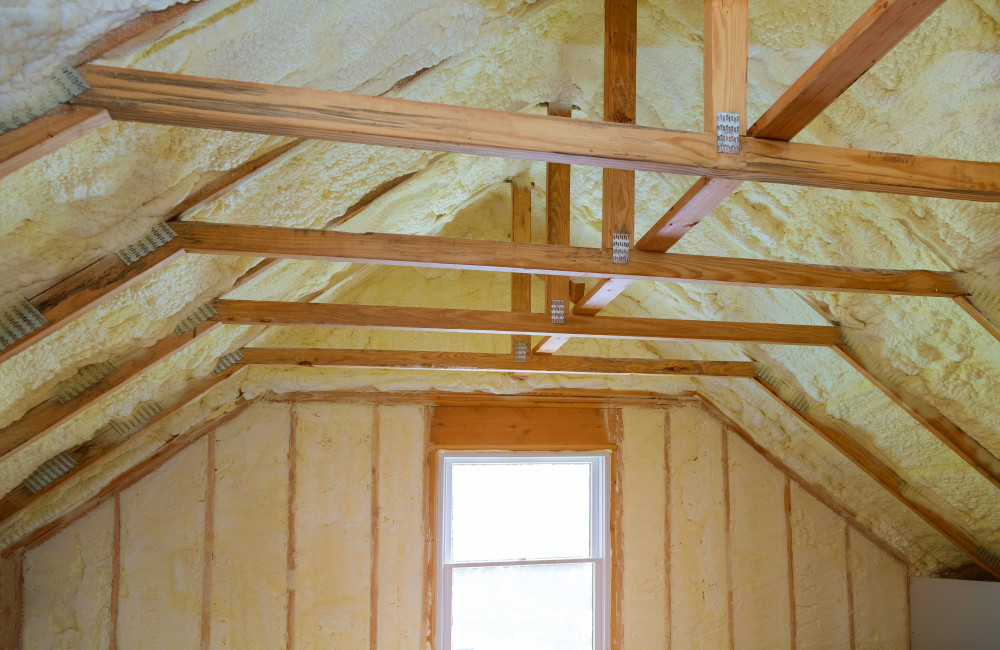
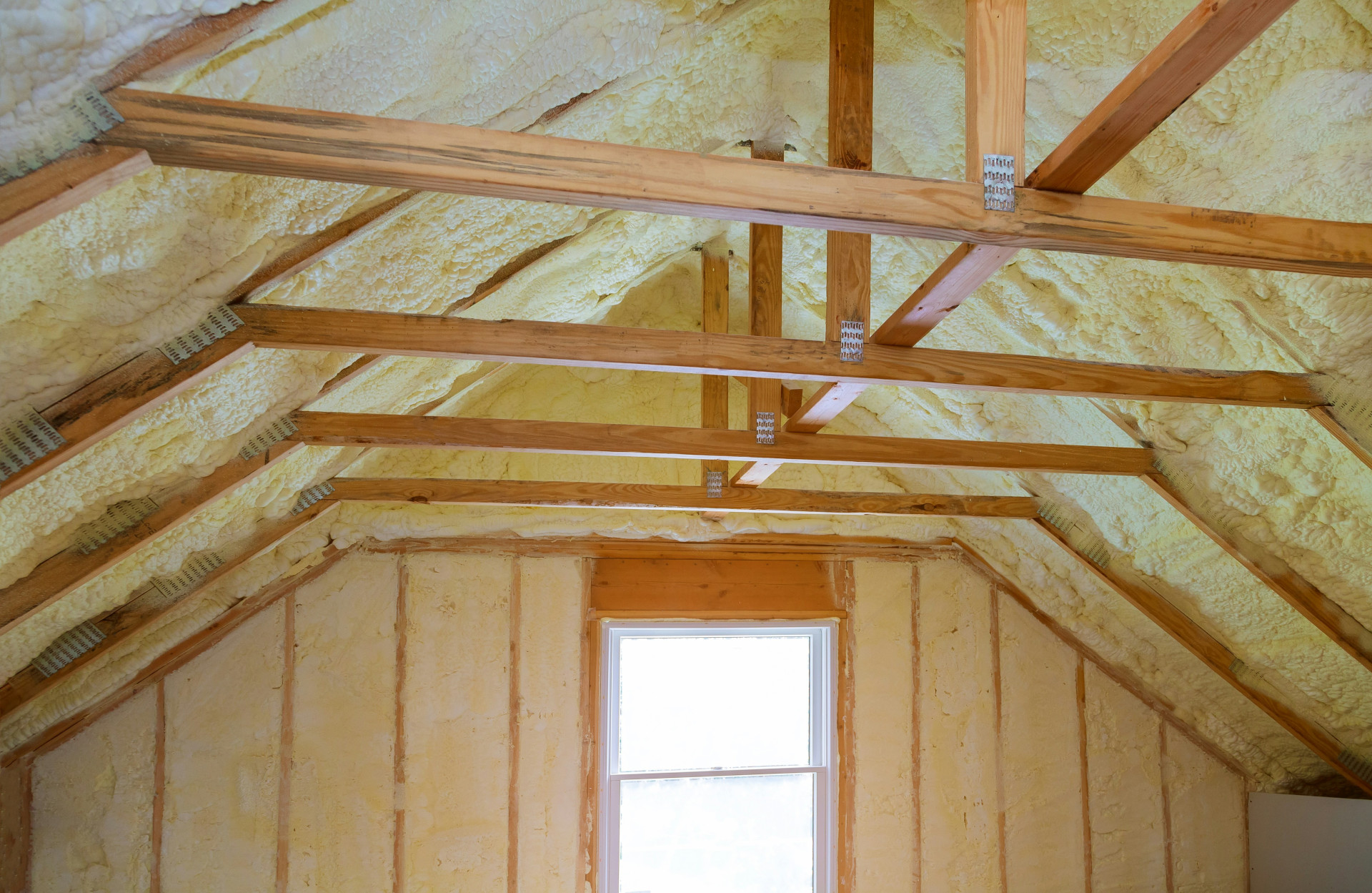
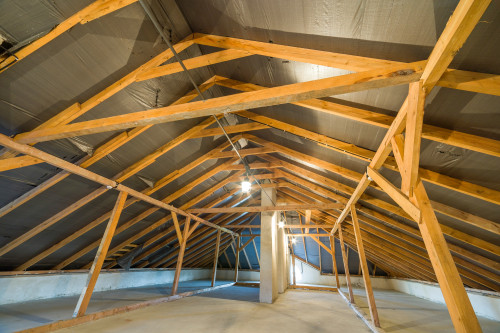
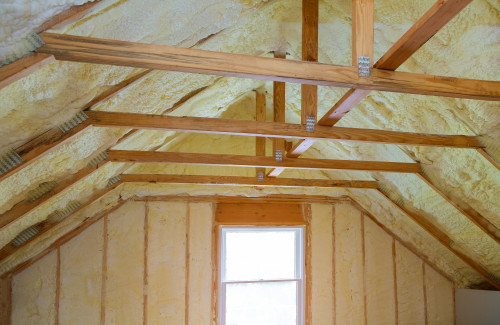
Your attic can reveal early signs of roof trouble. Look for dark spots, damp insulation, or mold—these may indicate leaks or poor ventilation. Addressing these issues early can prevent structural damage and improve indoor air quality.
Proper attic ventilation also helps regulate temperature and moisture, reducing the risk of ice dams in winter and extending the life of your roofing materials.
Maintenance as a Sustainable Investment
Roof maintenance isn’t just about avoiding repairs—it’s also a sustainable choice. A roof that lasts longer means less waste and fewer resources spent on replacements. You can also combine maintenance with eco-friendly upgrades such as:
- Installing solar panels – turn your roof into a source of renewable energy.
- Collecting rainwater – use it for landscaping or garden irrigation.
- Adding a green roof – on flat or low-slope roofs, vegetation can improve insulation and support local biodiversity.
These improvements work best when your roof is in good condition—another reason to keep up with regular care.
Læs også:
When It’s Time for a Replacement
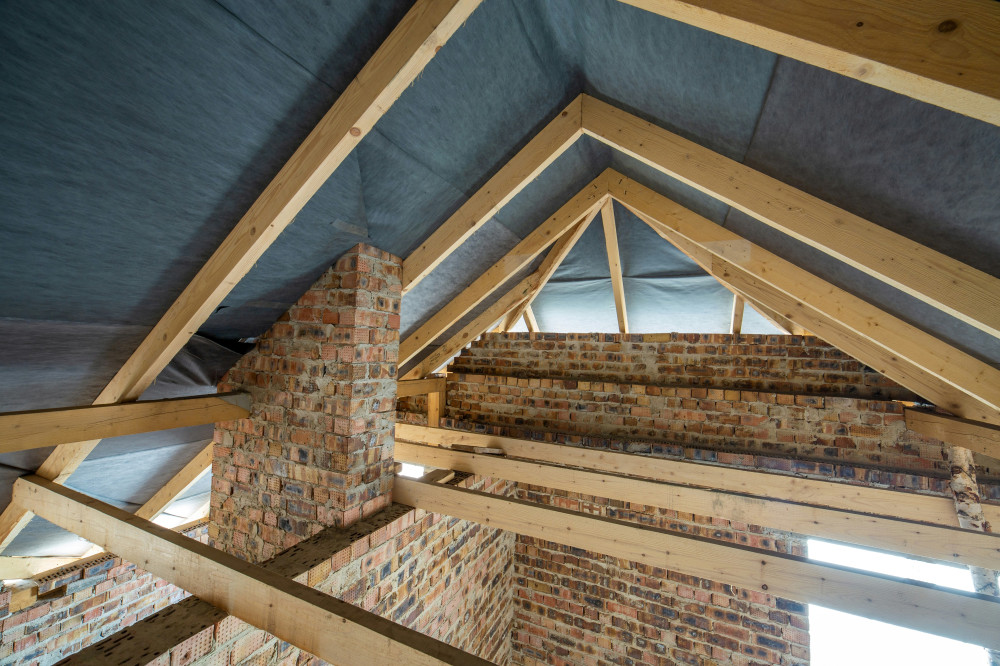
Even with diligent maintenance, every roof eventually reaches the end of its life. Asphalt shingles typically last 20–30 years, metal roofs 40–70 years, and tile or slate even longer. If you notice frequent leaks, sagging, or widespread damage, it may be time for a professional assessment.
When replacing your roof, consider durable, energy-efficient, and recyclable materials. Many modern roofing options are designed to reflect heat, reduce energy use, and minimize environmental impact.
A Healthy Roof Starts with Attention
Maintaining your roof doesn’t require much time—just awareness and consistency. A few hours of care each year can mean the difference between a roof that lasts for decades and one that fails prematurely. By taking care of your roof, you’re not only protecting your home—you’re also making a smart, sustainable investment in the future.
Læs også: