Signs of Damaged Roof Insulation – How to Recognize Them

Signs of Damaged Roof Insulation – How to Recognize Them
A solid roof does more than keep out rain and snow—it also helps regulate your home’s temperature and energy efficiency. The insulation beneath your roof plays a crucial role in keeping your home comfortable year-round. When that insulation becomes damaged or deteriorates, it can lead to drafts, moisture problems, and higher energy bills. But how can you tell when something’s wrong before it turns into a costly repair? Here’s a guide to the most common signs of damaged roof insulation and what you can do about them.
1. Uneven Temperatures Throughout the House
One of the first signs of failing insulation is inconsistent temperatures between rooms or floors. If your attic or upper rooms feel much colder in winter—or uncomfortably hot in summer—it could mean your roof insulation is no longer doing its job. This might be caused by compressed insulation, moisture damage, or gaps where heat escapes.
A simple test is to touch the ceiling or attic floor on a cold day. Noticeable temperature differences between areas often indicate uneven or damaged insulation.
2. Rising Energy Bills Without a Clear Reason
If your heating or cooling costs are climbing even though your usage habits haven’t changed, your roof insulation could be to blame. When warm or cool air escapes through the roof, your HVAC system has to work harder to maintain a comfortable temperature. A home energy audit or thermal imaging inspection can help pinpoint where the heat loss is occurring.
3. Moisture, Mold, or Musty Odors in the Attic
Moisture is one of insulation’s biggest enemies. If you notice dark stains, mold growth, or a musty smell in your attic, it’s a sign that warm, humid air from your living space is leaking upward and condensing in the insulation. Over time, this can lead to wood rot and reduced insulation performance.
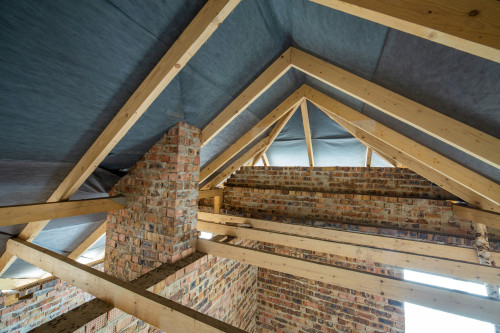
Pay special attention to areas around vents, chimneys, and roof joints—these are common trouble spots. Make sure your attic has proper ventilation to allow moisture to escape.
4. Uneven Snow Melt on the Roof
In colder regions, uneven snow melt is a classic indicator of heat loss through the roof. If you see bare patches on your roof while the rest remains covered in snow, it means heat is escaping from those areas. This not only wastes energy but can also contribute to ice dam formation, which can damage shingles and gutters.
5. Drafts or Cold Spots Near the Attic Hatch
The attic access hatch is often overlooked when it comes to insulation. If you feel a draft when standing beneath it or notice condensation forming around the edges, the insulation or weatherstripping around the hatch may be insufficient. Adding a gasket seal and extra insulation can often solve the problem.
6. Visible Damage or Compressed Insulation
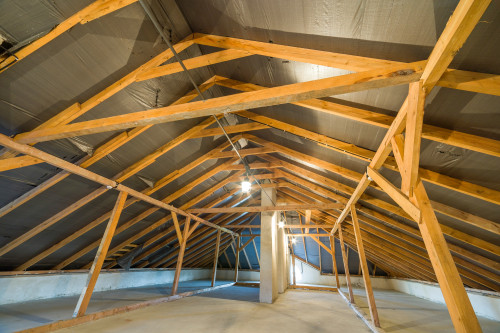
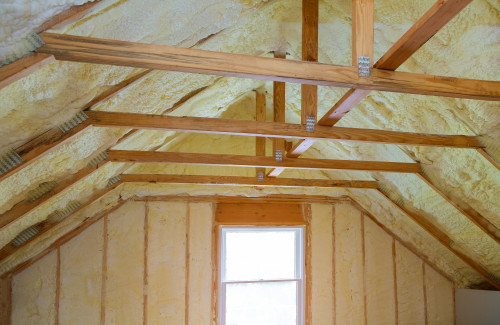
If you can safely access your attic, take a look at the insulation itself. Check for areas that appear flattened, damp, or missing altogether. Older insulation materials can settle or lose volume over time, reducing their effectiveness. Also look for signs of pests—mice, squirrels, or birds can disturb or remove insulation to build nests.
7. Condensation on the Underside of the Roof Deck
Condensation forming on the underside of your roof sheathing or rafters is a red flag. It means warm indoor air is leaking into the attic and meeting cold surfaces, suggesting that your vapor barrier or insulation is compromised. Left unchecked, this can lead to mold growth and structural damage.
What to Do if You Suspect Damage
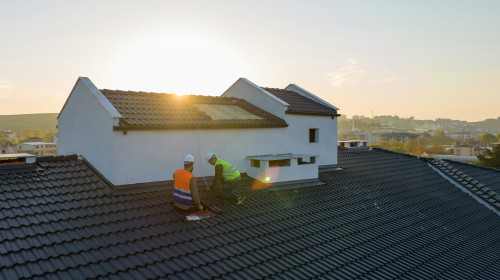
If you think your roof insulation may be damaged, it’s best to have a professional inspection. A roofing contractor or energy specialist can perform a thermal scan to identify exactly where heat is escaping. In many cases, the issue can be resolved by adding new insulation or replacing the affected sections.
While it may seem like an expense upfront, proper insulation quickly pays for itself through lower energy bills, improved comfort, and a longer-lasting roof.
Læs også:
Prevention Is the Best Investment
To avoid future problems, make attic and roof maintenance part of your annual home care routine. Ensure good ventilation, check for moisture or pest activity, and monitor your energy usage for sudden changes. A little attention now can prevent major repairs later—and keep your home comfortable and efficient all year long.
Læs også: