Combine Epoxy and Wood for a Unique and Durable Flooring Look

Combine Epoxy and Wood for a Unique and Durable Flooring Look
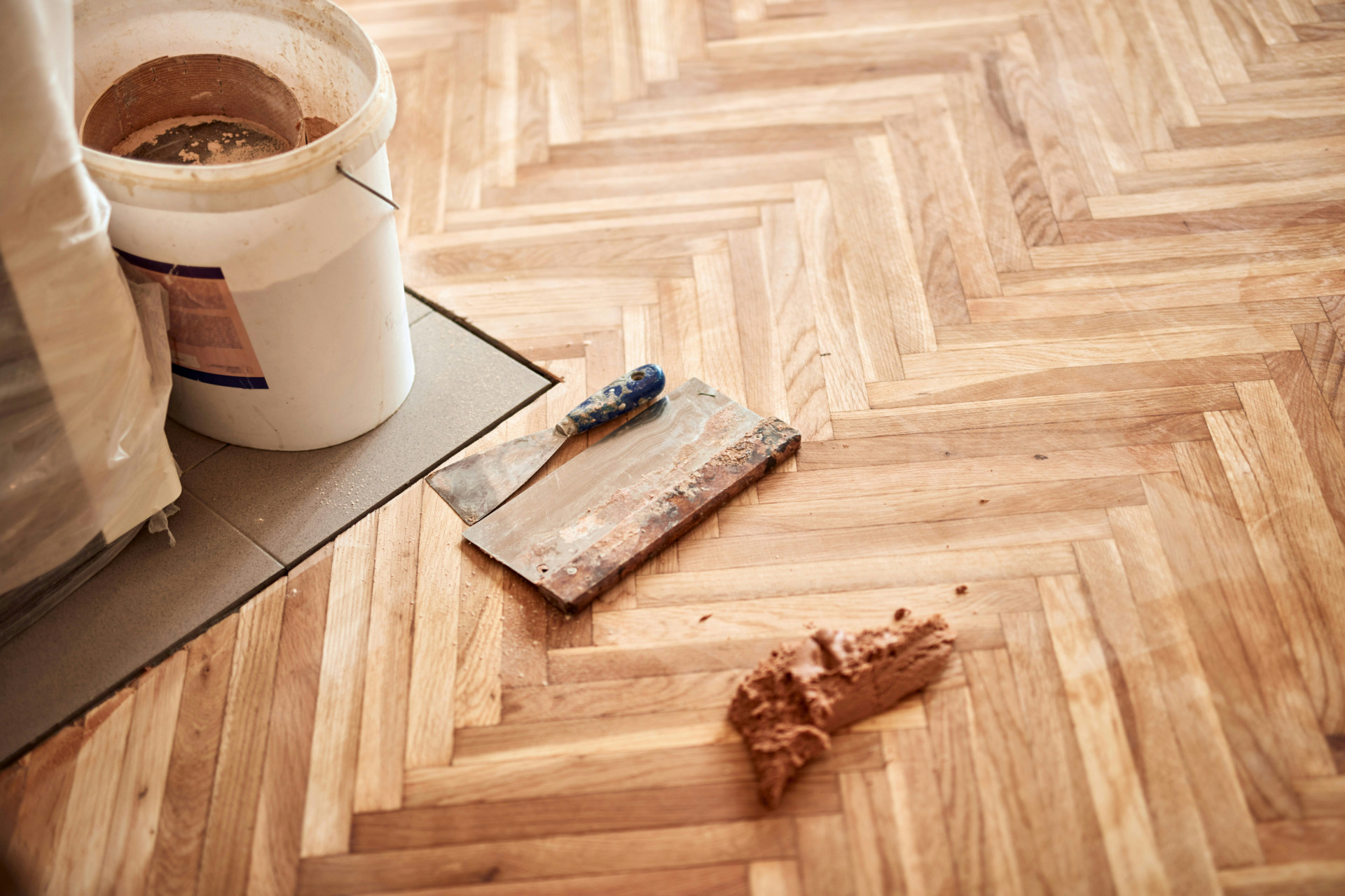
Epoxy and wood are two materials that each bring their own strengths to interior design. When combined, they create a floor that’s both visually striking and exceptionally durable. The warmth and natural texture of wood meet the sleek, glossy protection of epoxy, resulting in a surface that’s as practical as it is beautiful. This combination is gaining popularity in American homes, offices, and commercial spaces where design and performance go hand in hand.
Why Combine Epoxy and Wood?
Wood floors have long been admired for their timeless beauty and craftsmanship, but they can be vulnerable to wear, moisture, and stains. Epoxy, on the other hand, is known for its strength, resistance, and ability to seal and protect surfaces. When you merge the two, you get the best of both worlds: the organic charm of wood and the resilience of epoxy.
Epoxy acts as a protective layer that seals the wood, making it easier to clean and more resistant to damage. It also enhances the wood’s natural grain and color, adding depth and shine. Depending on your style, you can choose a clear epoxy for a subtle, natural look or experiment with tinted or metallic finishes for a more dramatic effect.
Design Possibilities: From Rustic to Modern Art
An epoxy-wood floor offers endless design opportunities. Some homeowners prefer to keep things simple by applying a thin, clear coat of epoxy over hardwood planks, highlighting the natural grain and giving the surface a polished finish. Others take a more creative approach, combining wood with colored epoxy, metallic pigments, or even embedded materials like stones, shells, or glass.
A particularly popular design is the “river table” or “river floor” effect, where epoxy fills the gaps or cracks between wooden boards, creating a flowing, glass-like appearance. This technique turns imperfections into design features and gives the floor a handcrafted, artistic feel. In larger spaces, epoxy can also be used to create patterns or transitions between wood sections, adding movement and visual interest to the room.
Practical Benefits and Maintenance
Beyond aesthetics, epoxy-wood floors offer several practical advantages. The epoxy coating makes the surface water-resistant, which is especially useful in kitchens, entryways, or basements—areas where traditional wood floors might struggle. The hardened surface also resists scratches, stains, and heavy foot traffic, making it ideal for busy households or commercial environments.
Maintenance is minimal compared to standard hardwood floors. You won’t need to sand or refinish the surface regularly, and cleaning is simple—usually just a damp mop or soft cloth will do. With proper care, an epoxy-wood floor can maintain its beauty and strength for many years, making it a cost-effective and sustainable choice in the long run.
What to Consider Before Installation
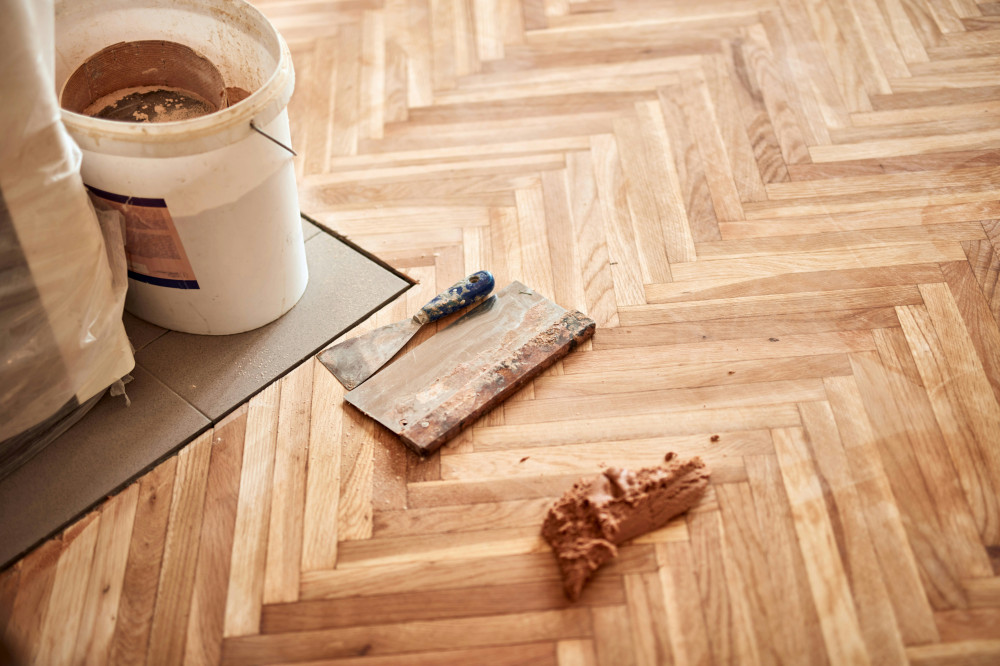
While epoxy-wood floors have many benefits, achieving a flawless result requires precision. The wood surface must be clean, dry, and properly prepared before applying epoxy. Temperature and humidity also play a role in how the epoxy cures, so it’s important to follow the manufacturer’s guidelines carefully. For best results, consider hiring a professional installer, especially if you’re new to working with epoxy.
You’ll also want to choose the right type of epoxy for your project. Some formulations are more flexible and better suited for wood, which naturally expands and contracts with changes in temperature and humidity. A flooring specialist can help you select the right product and finish to match your design goals and ensure long-term durability.
Læs også:
A Floor with Character and Strength
A floor that combines epoxy and wood is more than just a surface—it’s a statement piece that defines the entire space. It blends nature with innovation, craftsmanship with modern technology, and beauty with practicality. Whether you’re aiming for a sleek, contemporary look or a rustic, artistic vibe, this combination allows you to create a floor that’s truly one of a kind—and built to last for years to come.
Læs også: