Design floors that match your home’s style and colors

Design floors that match your home’s style and colors
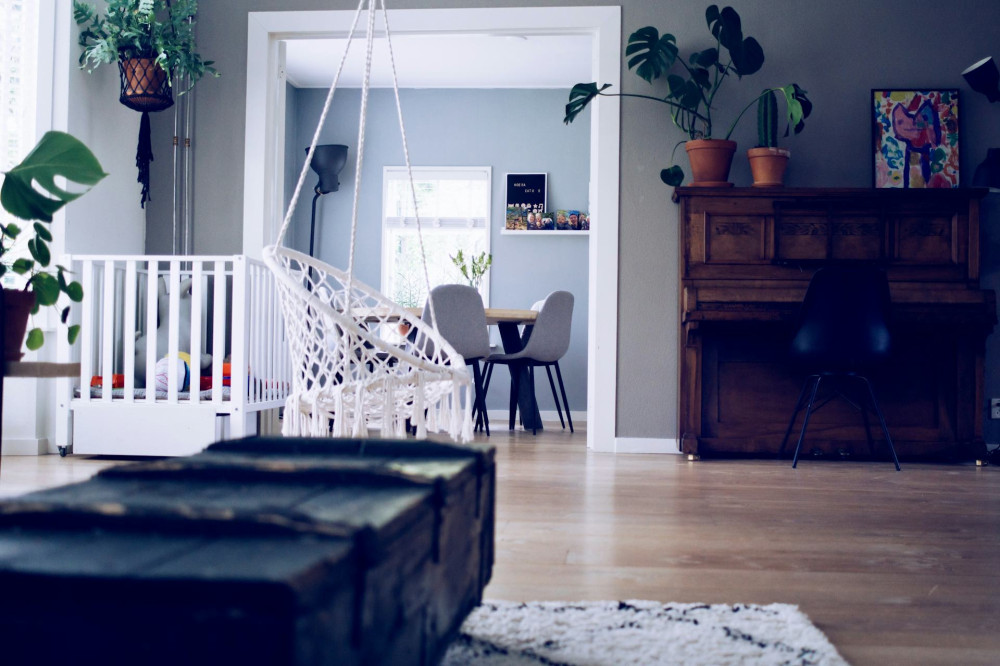
A floor is more than just something you walk on – it’s a key element in defining your home’s atmosphere and overall design. Design floors allow you to combine functionality with aesthetics, creating a cohesive look that reflects your personal style and color palette. Whether your home leans toward classic, modern, rustic, or contemporary, there’s a design floor that can elevate the space and make it both beautiful and comfortable to live in.
What is a design floor?
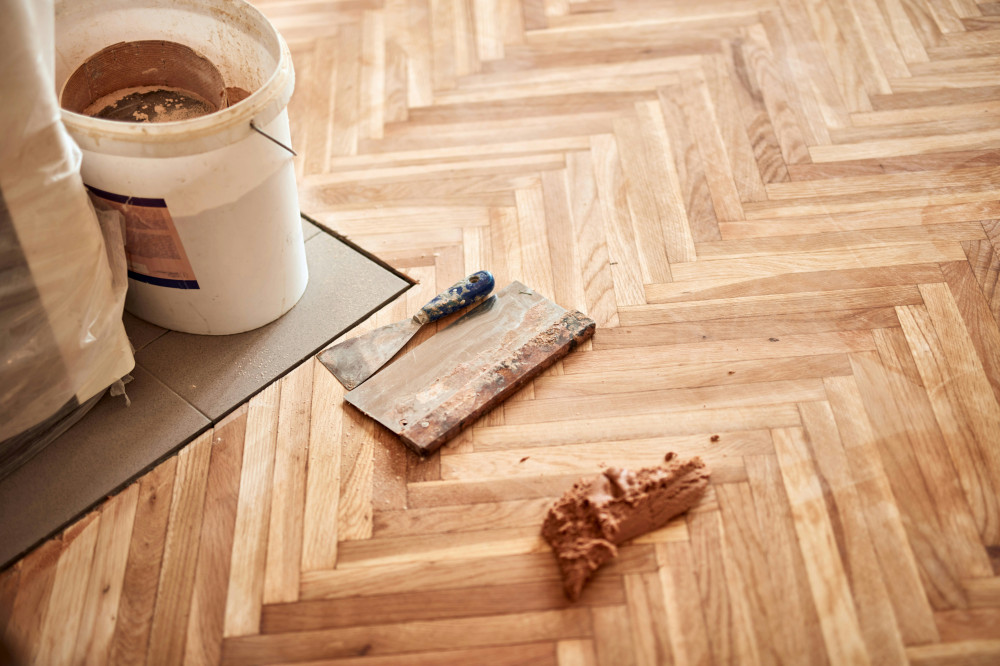
A design floor is a flooring solution where appearance, texture, and surface finish are given special attention. It can range from vinyl and laminate floors with realistic wood or stone patterns to high-end hardwood floors with unique finishes. What they all share is a balance between visual appeal and practical benefits such as durability, easy maintenance, and comfort underfoot.
Design floors come in a wide variety of materials and price ranges, making them suitable for both private homes and commercial spaces. They’re a popular choice for homeowners who want a personalized touch without sacrificing functionality.
Matching your floor to your home’s style
When choosing a floor, it’s important to consider how it interacts with the rest of your interior design. The floor sets the stage for your furniture, walls, and décor – it can either complement or contrast with the style you want to achieve.
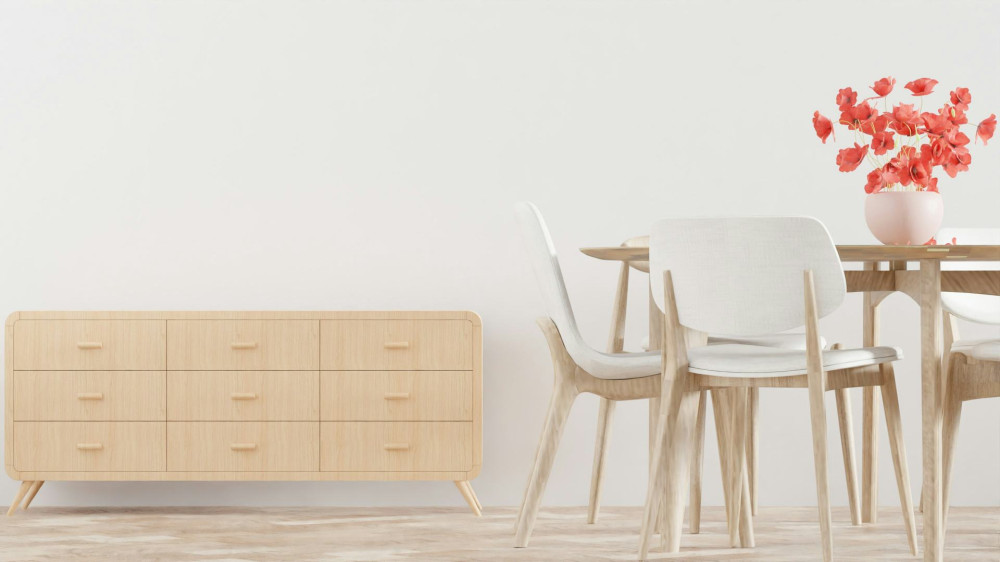
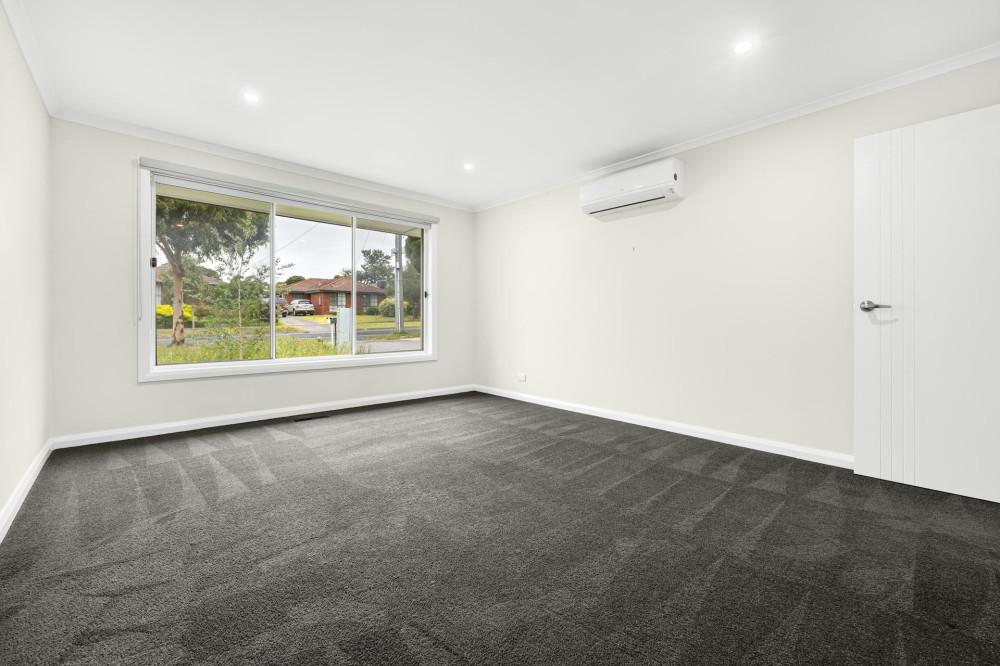
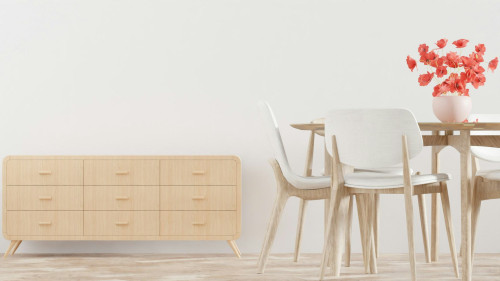
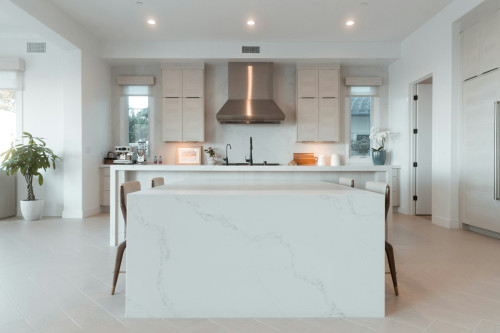
- Modern and minimalist: Choose light, uniform floors in shades of gray, beige, or natural wood. A matte laminate or light oak floor creates a calm, airy look that pairs well with clean lines and simple furnishings.
- Classic and timeless: Darker hardwoods like walnut, oak, or hickory add warmth and depth. They work beautifully with traditional furniture and soft, neutral wall colors.
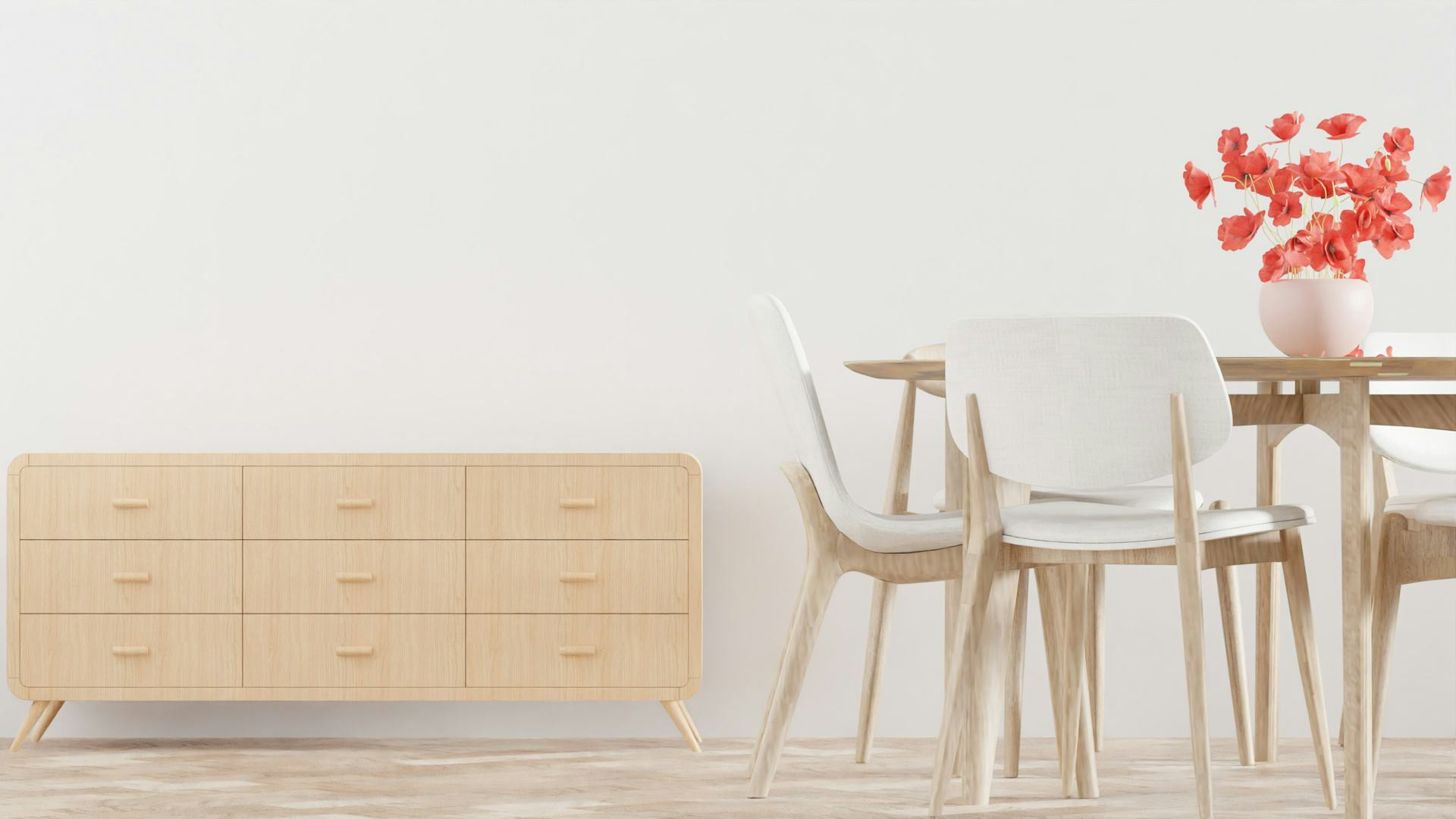
- Coastal and natural: Light-toned wood floors with visible grain bring a relaxed, breezy feel that highlights natural materials and soft textiles – perfect for homes inspired by the beach or countryside.
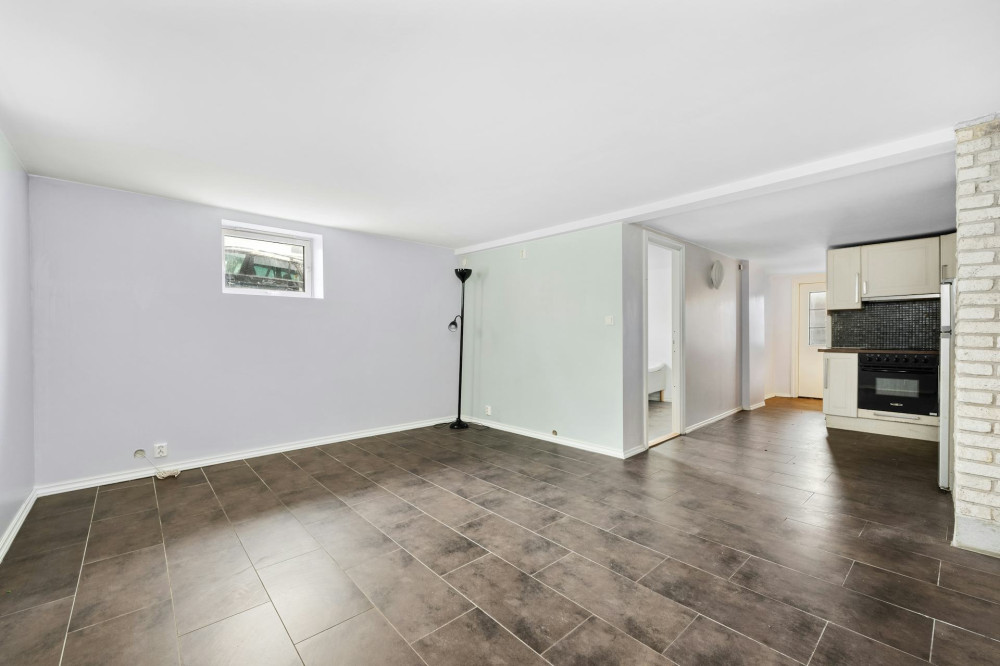
- Industrial and urban: Concrete-look vinyl, dark laminate, or stone-textured design floors can give your home a bold, modern edge. Combine them with metal, glass, and darker tones for a striking, contemporary style.
Color, light, and space perception
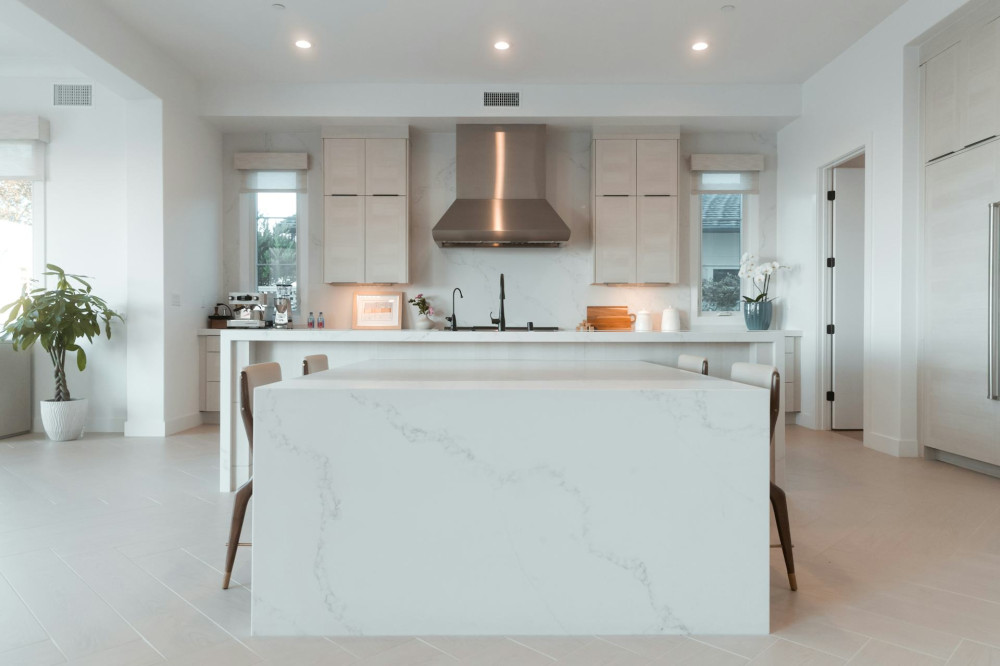
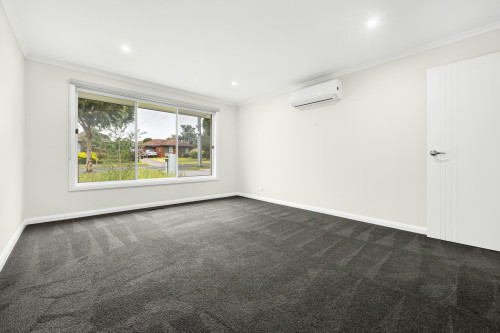
The color of your floor has a major impact on how a room feels. Light floors make spaces appear larger and more open, while dark floors create a sense of coziness and intimacy. Also consider how natural light enters the room – a south-facing space can handle a darker floor, while a north-facing room often benefits from something lighter.
A helpful tip is to bring home samples and view them in your home’s actual lighting. Colors can shift dramatically depending on the time of day, wall colors, and surrounding décor.
Læs også:
Practical considerations – function and maintenance
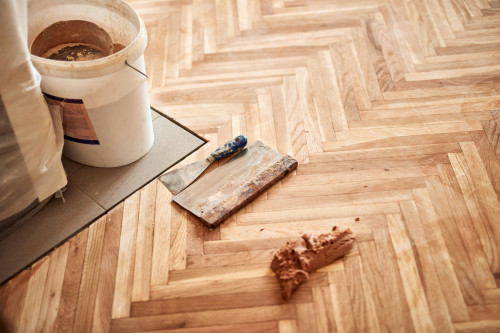
Beyond looks, think about how each room is used. In high-traffic areas like entryways, kitchens, and family rooms, durable and easy-to-clean materials such as vinyl or laminate are ideal. In living rooms and bedrooms, you can opt for more luxurious hardwood floors, though they may require a bit more care.
Today’s vinyl and laminate design floors often feature realistic textures that mimic wood, stone, or concrete – and they’re typically more resistant to scratches and moisture than natural materials. This makes them a smart choice for busy households with kids or pets.
Creating flow throughout your home
Using the same flooring across multiple rooms can create a sense of continuity and calm. If you prefer different types of flooring, make sure the colors and finishes complement each other. A good rule of thumb is to stay within the same color family – for example, warm tones throughout the home for a cozy feel, or cool tones for a more modern look.
Transitions between rooms can be defined with trim or subtle level changes, but try to avoid too many breaks, as they can make the home feel fragmented.
Adding your personal touch
A design floor can express your personality and taste. Some homeowners prefer a neutral, understated floor that lets furniture and artwork take center stage, while others make the floor itself a statement piece – perhaps with a bold pattern or distinctive texture.
Whatever your choice, the goal is to find the right balance between function, aesthetics, and individuality. The right floor can transform your home’s look and feel, adding comfort, character, and lasting beauty for years to come.
Læs også: