Save Energy with Low-Temperature Radiant Floor Heating

Save Energy with Low-Temperature Radiant Floor Heating
Low-temperature radiant floor heating is becoming an increasingly popular choice in American homes—and for good reason. It provides consistent, comfortable warmth while helping reduce energy consumption. As energy costs rise and homeowners look for sustainable solutions, radiant floor heating offers a smart way to improve comfort and efficiency. Here’s how it works and why it might be the right investment for your home.
What Is Low-Temperature Radiant Floor Heating?
Traditional heating systems often rely on high water temperatures—typically around 140–160°F—to heat a space. In contrast, low-temperature radiant floor heating uses water temperatures closer to 85–100°F. Because the heat is distributed evenly across the entire floor surface, even these lower temperatures can keep a room comfortably warm.
The system works best in well-insulated homes, where heat loss is minimized. It can be installed in new construction or added during a renovation, especially when replacing flooring or upgrading insulation.
Læs også:


The Benefits of Radiant Floor Heating
There are many reasons to consider low-temperature radiant floor heating—both for your wallet and for the environment.
- Lower energy use: Since the water doesn’t need to be heated as much, the system consumes less energy. Homeowners can often save 10–20% on heating costs compared to traditional forced-air or baseboard systems.
- Even, comfortable warmth: Heat rises gently from the floor, eliminating cold spots and drafts.
- Perfect match for heat pumps: Radiant systems pair exceptionally well with modern air-source or ground-source heat pumps, which operate most efficiently at lower water temperatures.
- Cleaner indoor air: Unlike forced-air systems, radiant heating doesn’t blow dust or allergens around, improving indoor air quality.
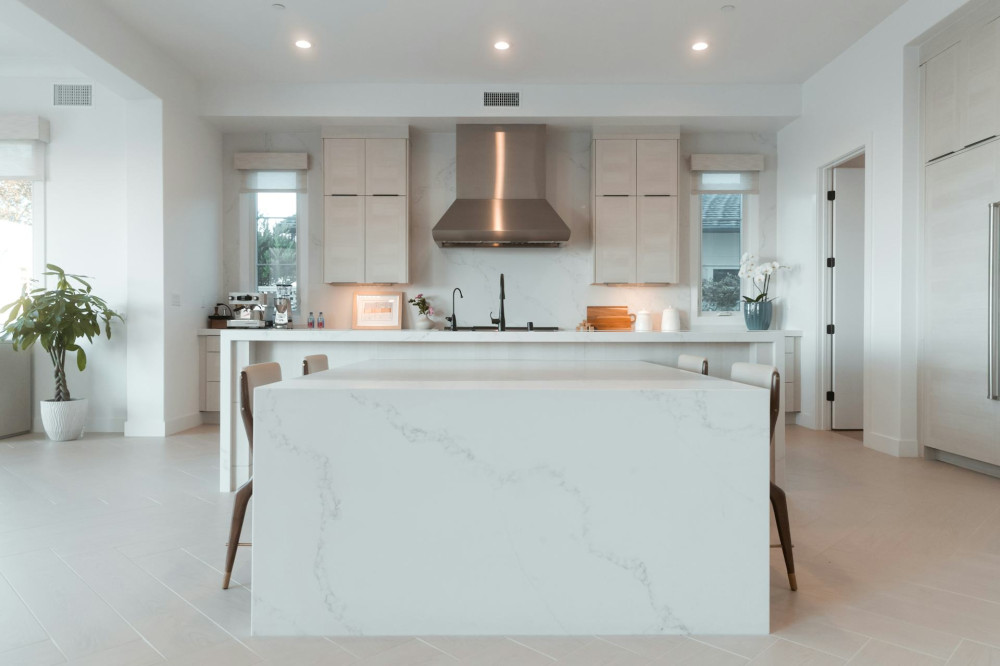
- Design flexibility: Without bulky radiators or vents, you have more freedom to arrange furniture and create a clean, modern look.
How to Maximize Energy Savings
To get the most out of a low-temperature radiant floor system, proper design and setup are key. Here are a few tips to ensure optimal performance:
- Insulate thoroughly: Good floor and wall insulation helps retain heat and allows the system to run at lower temperatures.
- Use smart controls: Programmable or smart thermostats can automatically adjust temperatures based on occupancy and time of day, reducing unnecessary energy use.
- Combine with renewable energy: Pairing radiant heating with a heat pump or solar thermal system can further reduce your carbon footprint and utility bills.
- Maintain steady temperatures: Avoid large temperature swings. Keeping your home at a consistent 68–72°F is usually both comfortable and efficient.
Can It Work in Older Homes?
Yes—but it may require some planning. In older or poorly insulated homes, you might need to improve insulation or use radiant heating in combination with other systems. Many homeowners choose to install radiant floors in high-use areas such as kitchens, living rooms, and bathrooms, while keeping existing heating in less-used spaces.
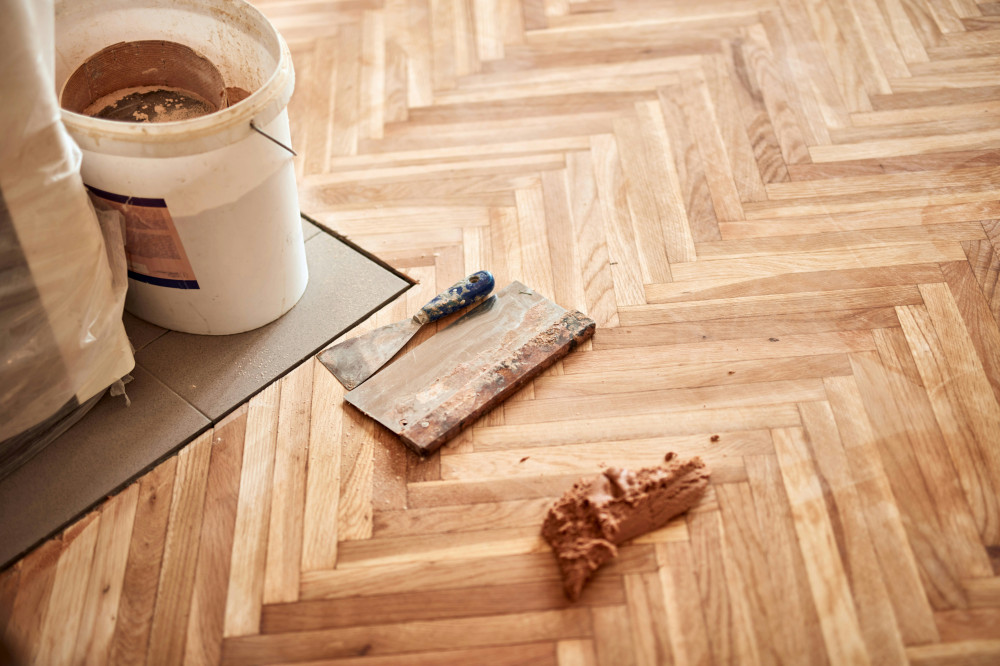
If you’re already planning a remodel, it’s an ideal time to add radiant heating. Modern low-profile systems can even be installed over existing floors without significantly raising the floor height.
Cost and Payback
While installing radiant floor heating requires an upfront investment, the long-term savings can make it worthwhile. Lower operating costs, improved efficiency, and increased home comfort all contribute to a solid return over time. Additionally, radiant systems can boost your home’s resale value—energy-efficient features are increasingly attractive to buyers.
When combined with a heat pump, radiant floor heating becomes one of the most energy-efficient heating solutions available today.
A Future-Ready Heating Solution
Low-temperature radiant floor heating isn’t just about comfort—it’s about sustainability and long-term value. It’s compatible with renewable energy sources and meets the growing demand for energy-efficient home systems.
With the right design and installation, you can enjoy a heating solution that reduces energy use, enhances indoor comfort, and keeps your home cozy all year round.
Læs også: