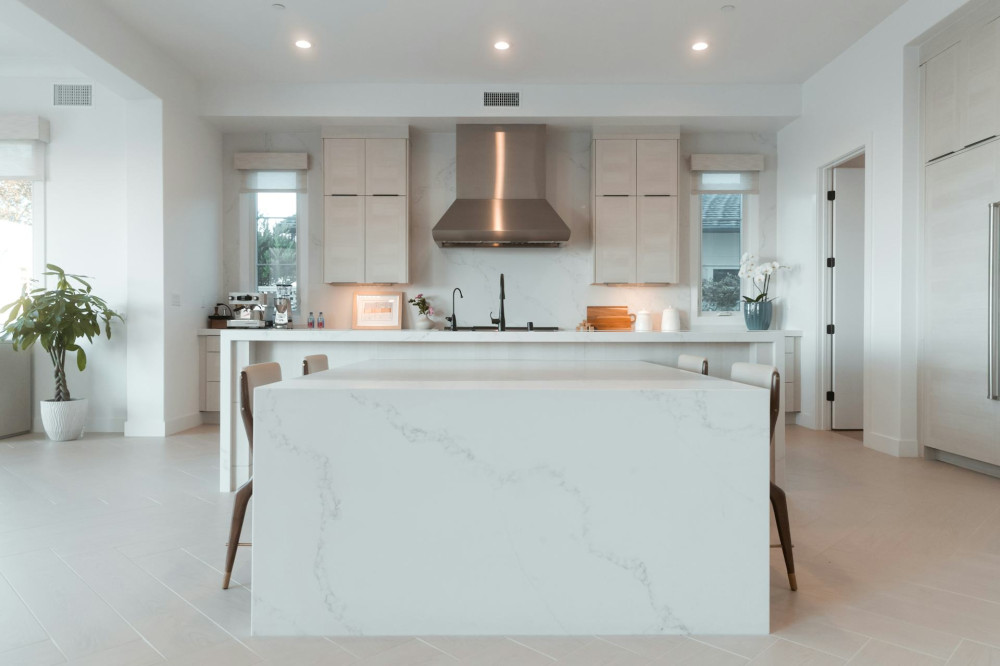
Kitchen Floor with Long Lifespan – Easy to Repair

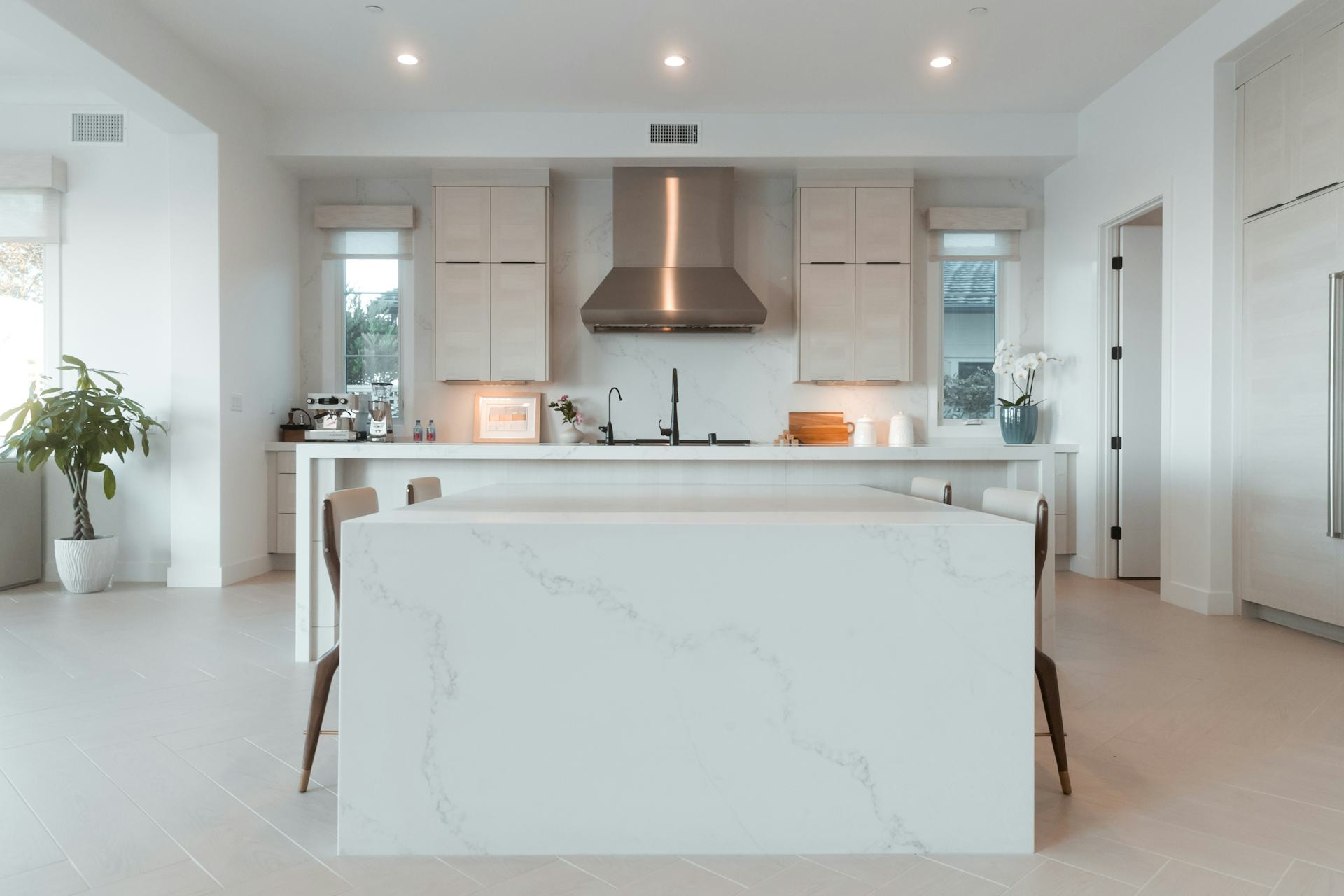
Kitchen Floor with Long Lifespan – Easy to Repair
A kitchen floor has to handle a lot: daily foot traffic, spills, moisture, and heavy appliances. It also needs to be easy to clean and fit the style of your home. But how do you choose a floor that lasts for years and can be repaired easily if something goes wrong? Here’s a guide to materials, maintenance, and smart solutions that make your kitchen floor both durable and practical.
Choose the Right Material from the Start
When selecting a kitchen floor, think about both function and appearance. Some materials handle moisture and wear better than others, and investing in quality from the beginning can save you money in the long run.
- Luxury vinyl and linoleum – durable, water-resistant, and easy to clean. They come in a wide range of colors and patterns, and modern versions can mimic wood or stone beautifully.
- Ceramic or porcelain tile – extremely tough and resistant to water and heat. They require a solid subfloor and can feel cold underfoot unless paired with radiant heating.
- Hardwood – adds warmth and character but needs more care. Choose harder species like oak or maple, and make sure the surface is well-sealed.
- Laminate – a budget-friendly option that can imitate wood or stone. It’s easy to install and replace but doesn’t tolerate standing water for long periods.
Consider how you use your kitchen day to day. If you cook often and deal with frequent spills, a water-resistant material is a smart choice. If you prefer a natural, cozy look, wood might be worth the extra maintenance.
The Right Finish Makes a Difference
A floor’s durability depends heavily on its surface finish. The finish protects against moisture, scratches, and stains—and makes cleaning easier.
- Oil finishes give a natural look and can be touched up locally if scratches appear.
- Polyurethane or lacquer finishes form a hard, protective layer that requires less frequent maintenance but is harder to repair in small areas.
- Wax finishes are less common today but provide a soft, matte look and can be refreshed periodically.
Always follow the manufacturer’s care instructions and use cleaning products designed for your floor type. Harsh chemicals can damage the finish and shorten the floor’s lifespan.
Læs også:
How to Extend the Lifespan
Kitchen floors take daily abuse, but a few simple habits can make them last much longer:
- Place mats near the sink and stove where spills are common.
- Use felt pads under chairs and tables to prevent scratches.
- Wipe up spills immediately, especially on wood or laminate.
- Clean regularly with mild soap and water, avoiding excess moisture and strong cleaners.
- Refresh the surface with oil or maintenance products once or twice a year, depending on the material.
These small routines can make a big difference and save you time and money over the years.
Easy Repairs When Damage Happens
Even the toughest floor can get damaged. A scratch, dent, or cracked tile doesn’t have to mean replacing the entire floor.
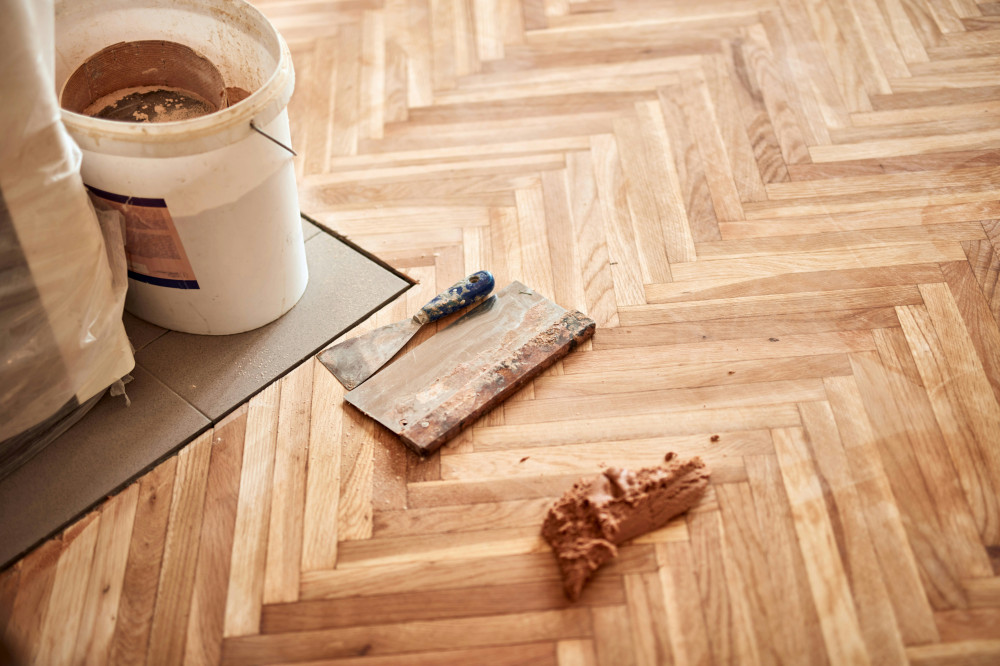
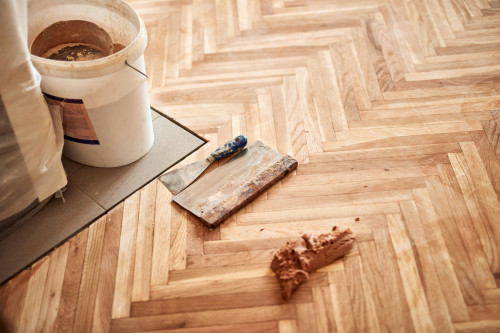
- Hardwood: Light scratches can be sanded and refinished. For deeper damage, individual boards can be replaced—especially with click-lock systems.
- Vinyl and laminate: Many modern types use click systems that allow you to replace a single plank. Repair kits are also available for minor damage.
- Tile: A cracked tile can be removed and replaced with a spare. Always keep a few extra tiles from the original installation for this purpose.
- Linoleum: Small dents or cuts can be repaired with special filler or wax to restore a smooth surface.
Choosing a floor that allows for local repairs helps you avoid major expenses and keeps your kitchen looking great for years.
A Floor That Lasts – and Adapts to Life
A long-lasting kitchen floor isn’t just about the material—it’s also about how easy it is to maintain and repair. A good floor should stand up to everyday wear while being flexible enough to refresh when needed.
By choosing wisely and caring for your floor properly, you’ll have a kitchen surface that’s beautiful, practical, and built to last—year after year.
Læs også: